CamNews

Junior School

Grandparents and Special Friends Day

The Junior School has enjoyed a wonderful fortnight of connection, gratitude and community as we welcomed families to both Grandparents and Special Friends Day and our much-loved Mother’s Day celebrations.

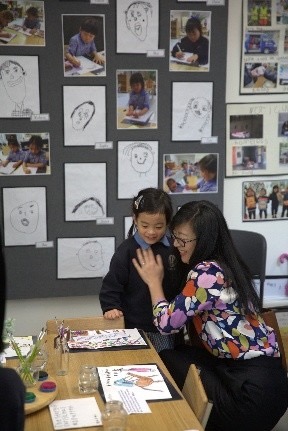
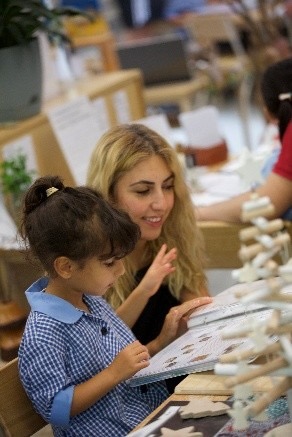
Grandparents and Special Friends Day was a joyful opportunity for our students to share their learning spaces with some very special people in their lives. Classrooms were filled with conversations, smiles and moments of pride as students guided their guests through activities and experiences that reflect the vibrant learning taking place each day in the Junior School. It was a pleasure to see generations learning alongside one another and enjoying time together on campus.

Mother’s Day

Our Mother’s Day celebrations continued this sense of warmth and connection, beginning with the Mother’s Day breakfast. We were especially proud of our Year 6 Captains, who took on leadership roles throughout the morning, welcoming guests, assisting with organisation, and modelling the confidence, care and responsibility we value in our Junior School leaders. Their poise and initiative added greatly to the success of the event and created a welcoming atmosphere for all who attended.

The Mother’s Day stall was another highlight, offering students the opportunity to thoughtfully choose gifts for the special people they wished to celebrate. A sincere thank you to Michelle Zhou, mum of Emilia in Year 4, for her leadership in coordinating the stall, and to the many parent volunteers who generously gave their time to support the event. Your contributions ensured the experience was smooth, enjoyable and memorable for our students. I am sure these gifts were very well received last Sunday morning!

Together, these events reflect the strong sense of community that defines our Junior School. Thank you to all families, staff and volunteers who helped make these occasions so special.

URStrong

As we shared in the last edition, we encourage families to activate the free URSTRONG Parent Membership. This gives you access to a wide range of high-quality resources (including a short video series, articles and practical tools) that align with what your child is learning at School. Using a shared language at school and at home helps reinforce key messages and supports positive conversations about friendships. If you haven’t already, please take a moment to sign up and explore the resources available to your family.

  • Please click here to view an overview of URSTRONG.
  • Activate your FREE Parent Membership and explore all the resources available to your family.
  • Explore the range of resources available to support your child

Student Achievements

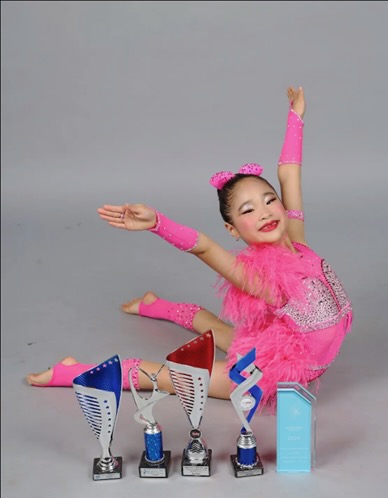
Congratulations to Harper from Year 2, on an outstanding result at the 2026 Victorian Calisthenics Competition during the school holidays. Harper competed in the 7 Year Old SE Division 1 Single Section A and achieved 1st place with an impressive total score of 92. Congratulations on a wonderful achievement, Harper!

Kellie Morgan
Head of Junior School

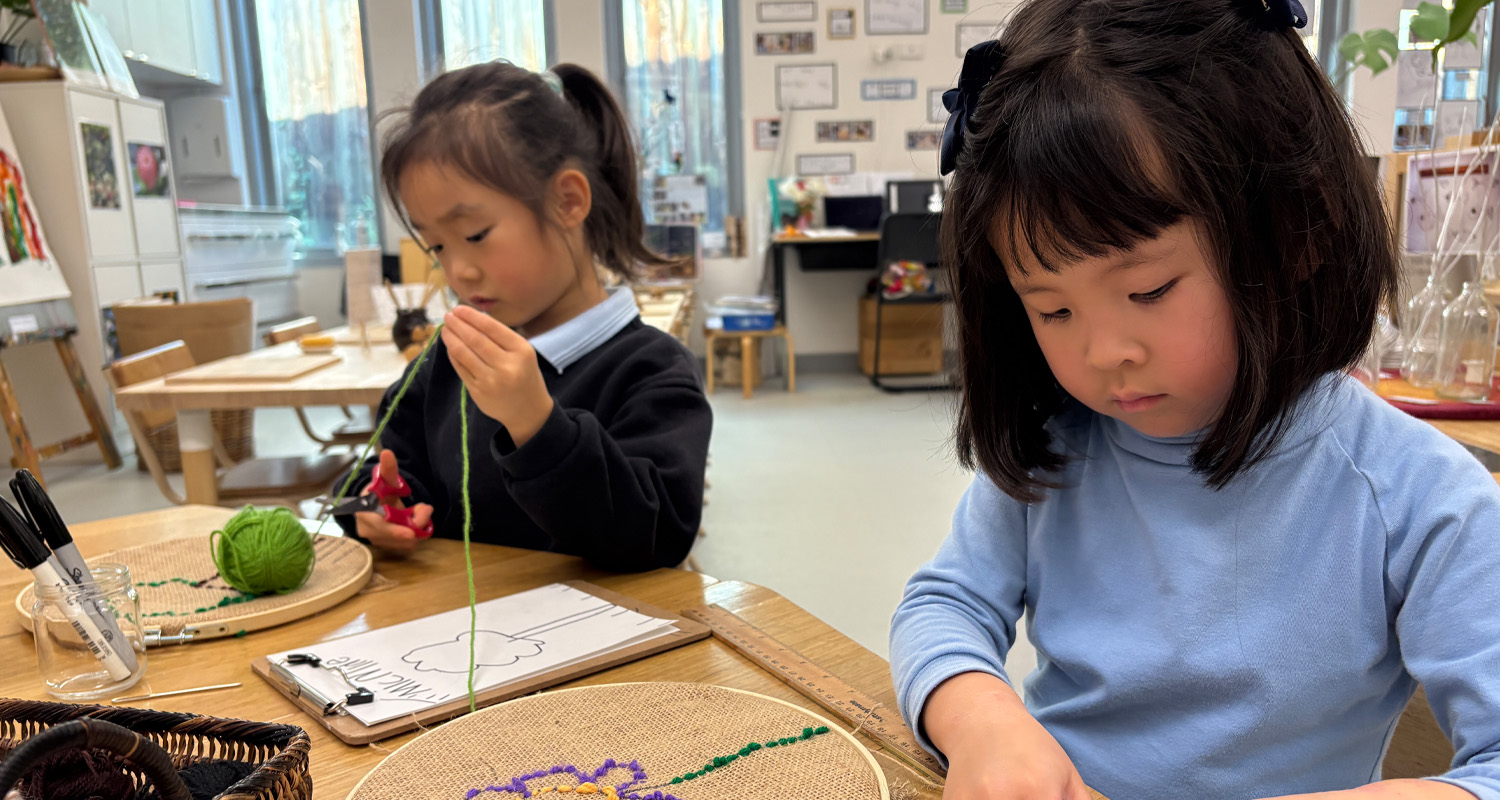
Slow stitching in Early Learning 4 Full Time

‘Each stitch slows time, sparks curiosity, and brings hands, mind and materials into joyful dialogue. Stitching becomes more than making, it is being present, thinking with materials, and connecting with ourselves and others.’  Catherine Lee

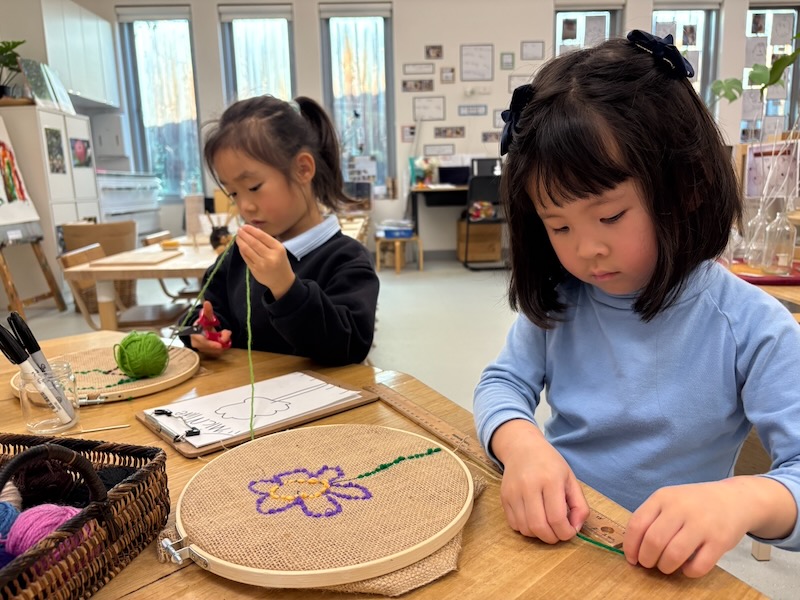
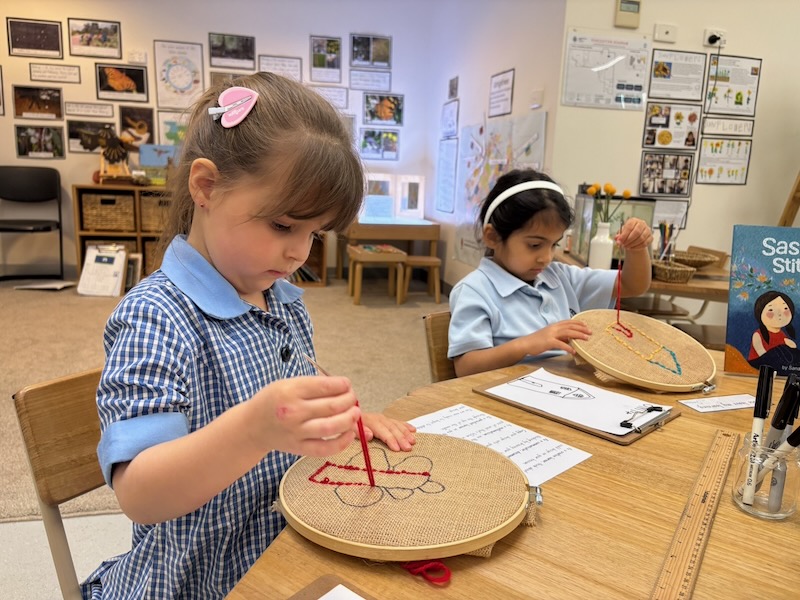
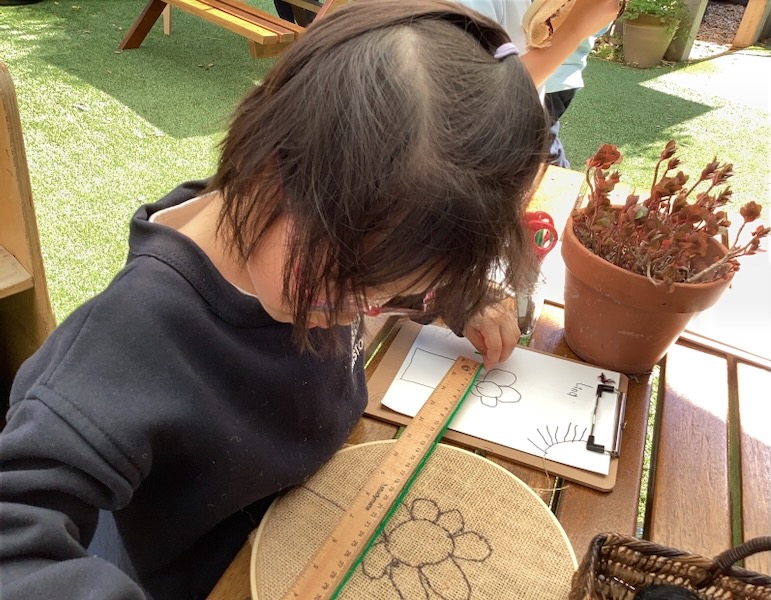
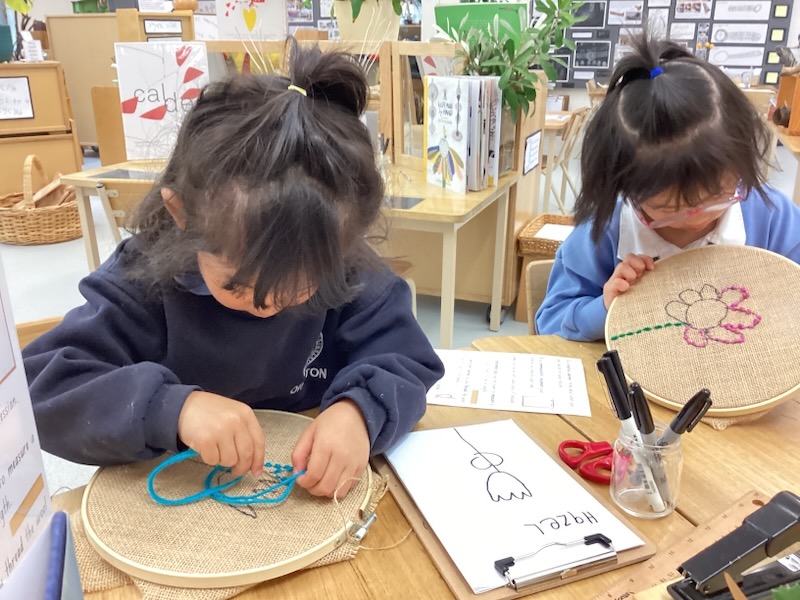
The Early Learning 4 Full Time children are exploring the possibilities of textiles and thread as a language for expression through slow stitching. As the children engage in slow stitching, they are provided with the time to pause, wonder, and to explore at their own rhythm. The slow, rhythmic nature of stitching promotes mindfulness and a sense of calm.  

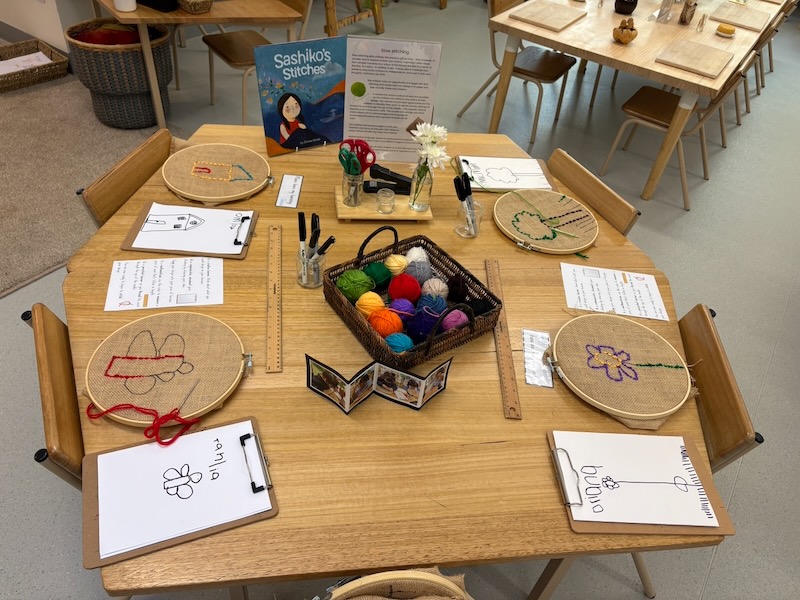
Slow stitching provides children with an opportunity to express their creativity and imagination as they design and stitch their own unique piece. During the design process, children conceptualise their ideas and document them on paper, transfer them onto a piece of fabric, and then develop it into a tangible piece of stitching. As children engage in this process they develop skills in planning, designing and critical thinking. 

Slow stitching supports children to develop confidence, persistence, and a growth mindset, while also strengthening fine motor skills, hand–eye coordination, and dexterity. As children thread wool through the eye of a needle, use scissors, and create stitches with repetitive and precise hand movements, they are engaging in focused and purposeful learning that requires sustained concentration. Throughout this learning experience, we acknowledge children’s efforts and intentionally use language that encourages persistence and a growth mindset, supporting children as they navigate challenges and develop their skills.

Slow stitching also introduces foundational mathematical concepts and language related to direction and movement – up, down, over, forward, backward and position – top, bottom, above, below.

Slow stitching also provides children with opportunities to revisit their learning over many days, and realise the process involved and time required to work towards and complete a goal.

Reflections of slow stitching –

I see a tree when I went at the park. First, I draw the tree on the paper and then I draw it on the hessian and then I just put the wool into the needle. We go up and down from the needles and we pull it down and then we keep going up and down and do it slowly. We go up and down on the line of the tree trunk. When I do that, I just feel calm. Micheline

I drawed a flower on the paper and then I draw on the hessian. I did a pink flower and then I go up and down with the needle. I put the wool through the eye of the needle, and I didn’t do it for the first time, and I keep trying and I did it.  Sometimes I make mistakes, but mistakes help me learn doing the stitching. It takes some time – just 13 days. Kaeylie

Angela Follacchio
EL4 Teacher
Year 6 Parliament House Excursion and Incursion

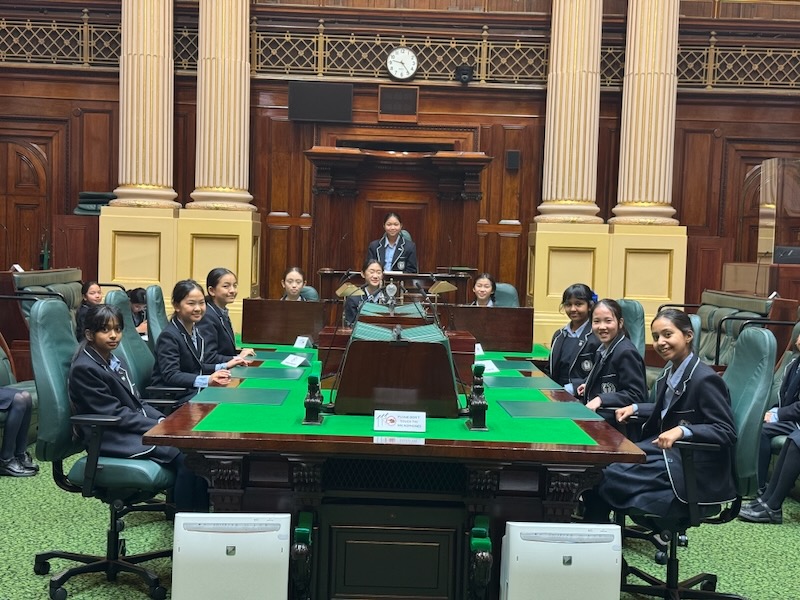
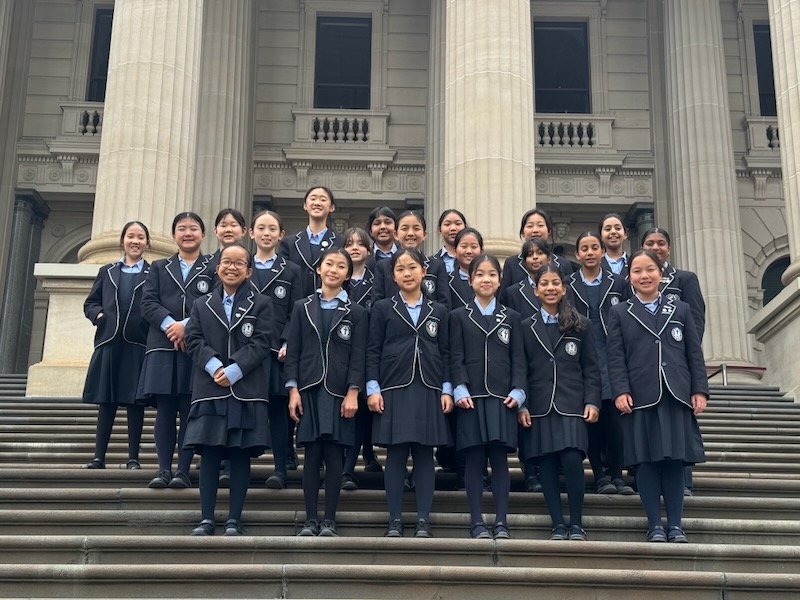
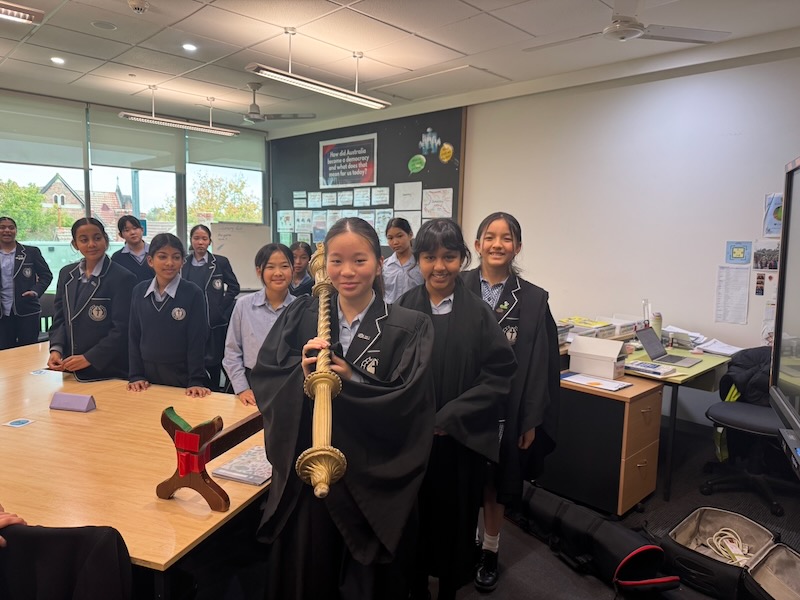
On Wednesday 6 May, Year 6 attended an excursion to Parliament House Victoria, as an introduction to the interdisciplinary unit. The unit considers the question: How did Australia become a democracy, and what does that mean for us today?  Students visited the Legislative Assembly, where the tour guide explained the parliamentary process. A visit to the Great Hall followed, to view the portraits of the former Premiers of Victoria and to hear about the history of the building. Students then visited the Legislative Council and were informed of the process of passing a bill into law.

The following day, Parliamentary staff arrived at Junior School to conduct an interactive role play of the parliamentary process with students. Students were allocated roles as members and officers of parliament and experienced the law-making process firsthand by acting out a debate and following the passage of a bill through the House. All students thoroughly enjoyed their time learning about democracy and the decision-making process, and more importantly, how to be a good leader.

At Parliament House, I learnt about the different rooms and what their purpose is, like the Legislative Assembly room with green carpet and the Legislative Council with red carpet. I also learnt about the history of the buildings and the customs of the Parliament. It was very interesting and informative. During the incursion, I learnt about the process of passing a law. I also had an opportunity to act out the role of someone in the Legislative Assembly who was trying to make a new law. It taught me more about people who contribute to passing a state law and what their specific roles are. – Sophie

On Wednesday 6 May, year 6 went on an excursion to Victoria’s State parliament. There, a tour guide showed us the magnificent architecture and discussed the history of how laws are made. On Thursday 7 May, two parliamentary staff came to our classroom, and we did a role play of the procedure of how a law was made. During this, year 6 learned the importance of parliament, and the roles the members play for Victoria. – Ajab

I enjoyed the excursion to Parliament House because it was interesting to be in the Legislative Assembly and the Legislative Council because it was amazing to see how they work and what they look like from the inside. I also enjoyed the incursion role play because I really enjoyed my role and watching how everything works, like how the speaker says ‘order’ loudly when it’s getting a bit out of control. – Olivia C

Margaret Hall and Jasvindar Gill
Year 6 Classroom Teachers

Principal

Mrs McClure introduces the community to a new program - The Thrive Project.

Secondary School

House Spirit was on full display at the recent House Athletics Carnival!

Junior School

The Early Learning 4 children have been exploring ‘slow stitching’, learning about its calming, meditative effects.

Connected Community

The Mother’s Day breakfast was held in a new location this year, with the refreshed format filling the library with laughter and conversation.

Create Your Tomorrow