CamNews

Junior School

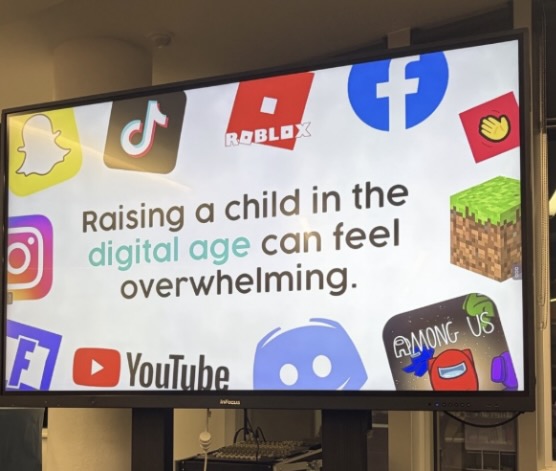
Our children are growing up during a time where technology is woven into our everyday life. New technology is impacting the way in which we live, learn, interact and enjoy ourselves. Whilst these advancements bring opportunity, they can also bring concerns for parents and teachers around the safety, security and wellbeing of our young people.

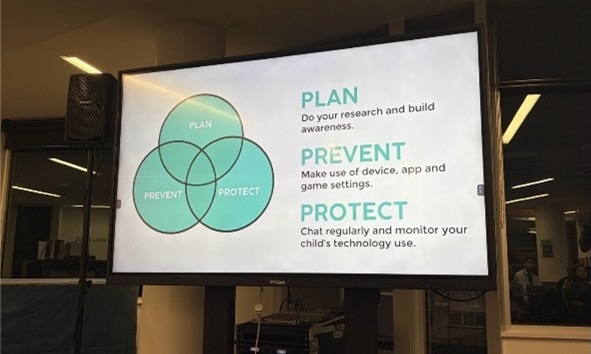
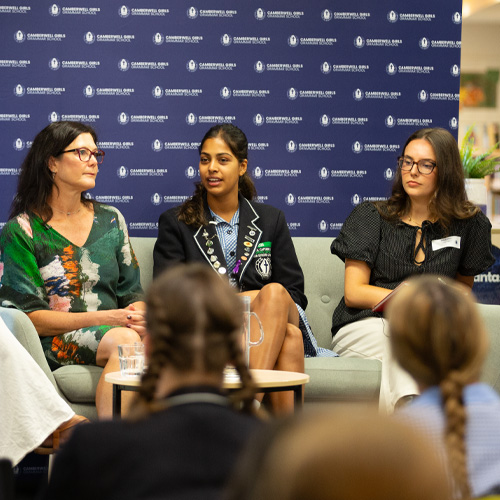
 On Monday 17 March, we were pleased to welcome Junior School families to our Cybersafety Parent Evening, delivered by Trent Ray from the Cyber Safety Project. The evening reinforced our shared responsibility to support our children to navigate the online world safely, confidently and responsibly. The most important message of all was that families need to plan for device use, leverage tools and settings to prevent harms, and protect young people as they develop skills to safely and independently navigate the online world. Trent and his team have developed resources designed to support parents, grandparents, guardians and carers with strategies to create a safe digital environment at home. We highly recommend visiting their website and browsing the resource section for parents.

At Camberwell Girls Grammar School, our approach to supporting your children to become responsible digital citizens is an important component of our 360 ° of Being. We encourage students to make honest, thoughtful choices online and to understand the impact of their digital actions. Through our ongoing partnership with the Cyber Safety Project, these messages are taught consistently and in age‑appropriate ways across the Junior School. Cybersafety education is embedded within our BRAVE wellbeing curriculum and strengthened through meaningful partnerships with families. The parent evening highlighted how shared understanding along with consistent language and expectations between home and school support this.

Trent discussed how courage is among the most valuable gifts you can offer your child. Teaching them to have the courage to speak up and ask for help when they’ve made a mistake or feel that something is wrong serves as an important protective factor.

We express our gratitude to The Cybersafety Project for an informative and supportive evening. We also thank our families for their ongoing collaboration and commitment to creating a safe digital environment at home. Together, through shared understanding and consistent messages, we are supporting our children to become confident and responsible digital citizens.

Kellie Morgan
Head of Junior School

EARLY LEARNING 4FT

Dreamtime Stories informing our Agreed Ways for Living and Learning

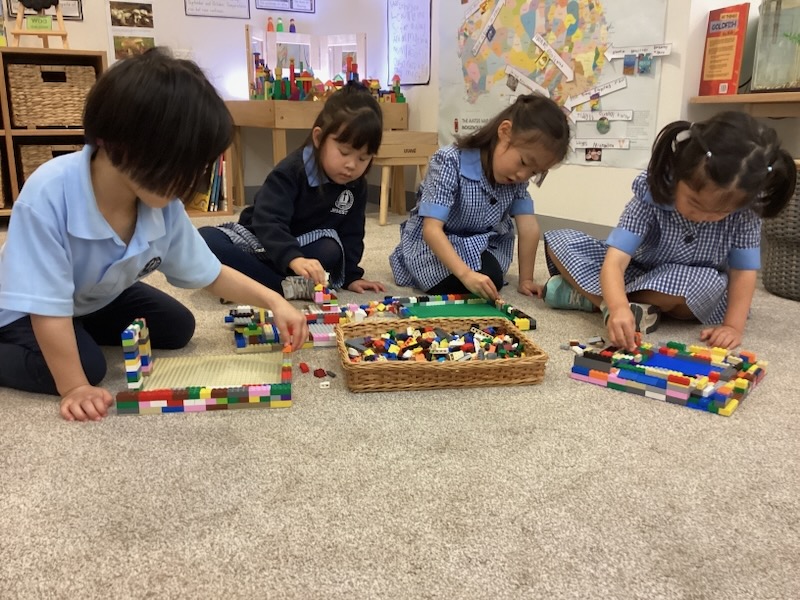
As inquirers, communicators and collaborators, the Early Learning 4 Full Time children are exploring what it means to be a member of our learning community and the qualities that help us build positive, respectful relationships. Together, we are co-creating our Agreed Ways for Living and Learning, which will guide how we care for ourselves, one another, and our classroom and garden environments.

Dreamtime stories provide rich and culturally meaningful opportunities for the children to reflect on how we live, learn and care for one another within our early learning community. As we engage with First Nations storytelling traditions, we honour their knowledge systems, values and perspectives. In our classroom, we have been listening to and discussing stories – Dunbi the owl, How the birds got their colours, Warnayarra the rainbow snake and How the kangaroos got their tails. Through guided conversations and thoughtful reflection, the children are deepening their understanding of kindness, respect inclusion and responsibility; values that are strongly imbedded in First Nations narratives and that underpin our Agreed Ways for Living and Learning. These stories support the children to recognise the importance of caring for Country, for community and for one another, whilst also strengthening their cultural awareness and sense of connection.

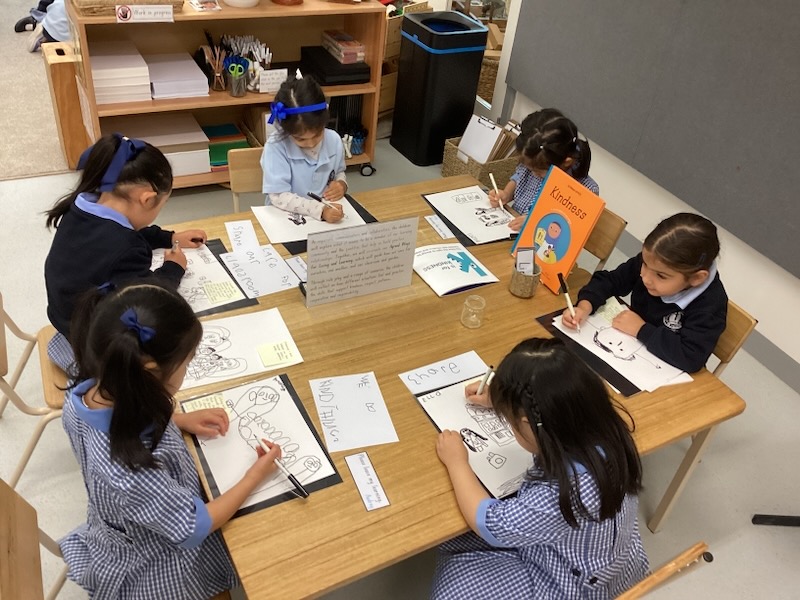
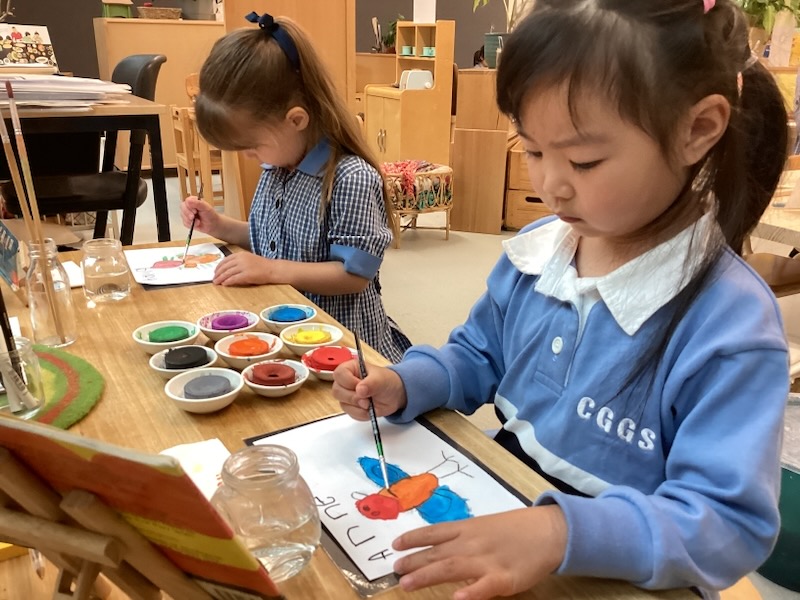
The children thoughtfully interpreted the actions of the characters in the Dreamtime stories and made meaningful connections to the choices they make as active citizens in our classroom and garden environments. Through opportunities to express their thinking using the 100 Languages, particularly role play, drawing, painting and shared dialogue, the children explored how the characters demonstrated kindness and empathy, the impact of exclusion or not listening, and the many ways they can help, participate, collaborate and care for others. These experiences supported the children’s understandings related to respect, harmony and responsibility, and helping them recognise the importance of noticing and responding when someone needs help.

These emerging ideas inform our co-construction of the Agreed Ways for Living and Learning. The children are beginning to articulate what respectful behaviour looks like, sounds like and feels like, and how their actions contribute to others feeling safe, valued and included.

The children threw Dunbi up in the sky. We need to look after animals and not pick them up when they’re in nature. We let them go by themselves; we leave them. We can look at snails and ants, but we don’t pick them up. Millie

Dunbi got spinifex grass on him because the children put the grass into him and they were rude because they hurt him. We need to be kind to birds and things from nature, bugs and caterpillars too. We just leave birds in the tree, and we be quiet when we walk past the birds. I don’t chase the birds because they would get a bit scared. Tahlia

The crow let all the other birds help the dove. The colour got on all the birds but not the crow because the crow was very, very far away because he didn’t help. We need to help. We help together to put the blocks on the trolley. Anne

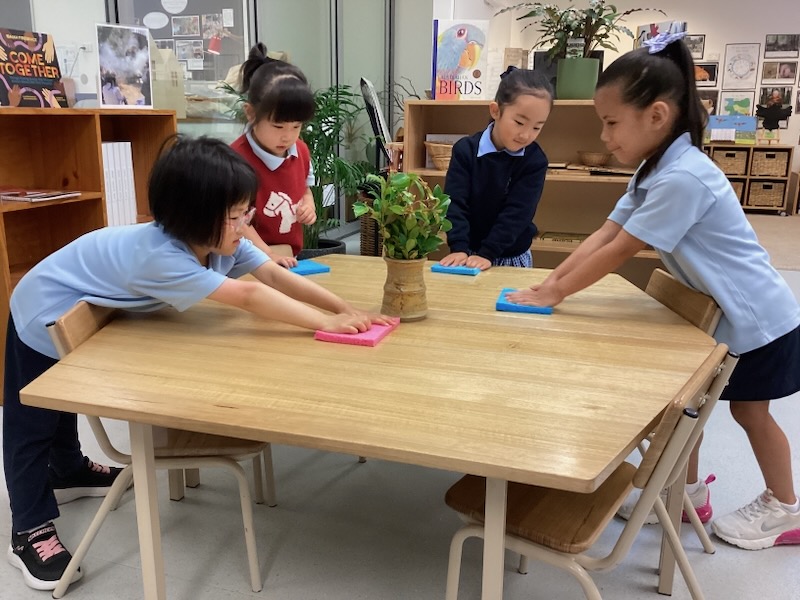
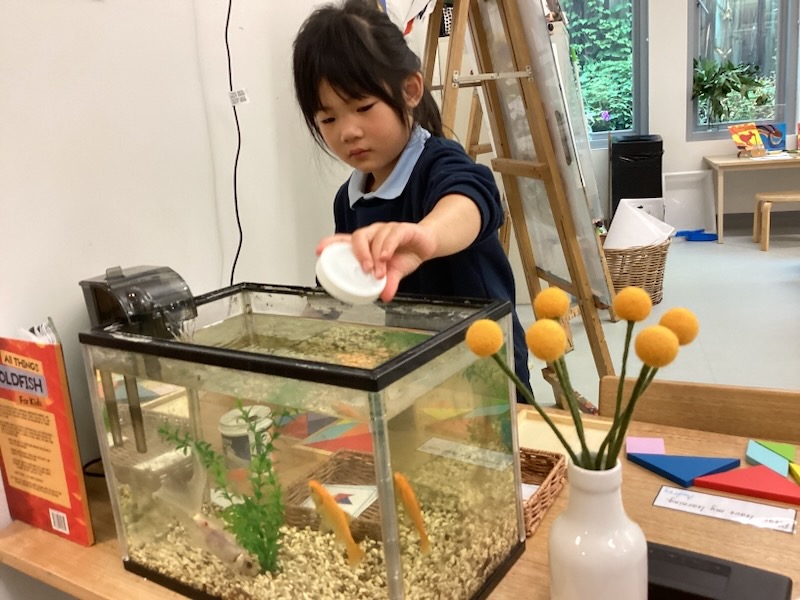
I keep our classroom clean. I wipe the tables so our lunch boxes don’t get dirty and so the germs can’t go in our food. I help to put the blankets in the doll’s bed, and I fold them with Micheline so they’re tidy and ready for Natalia. Kaeylie

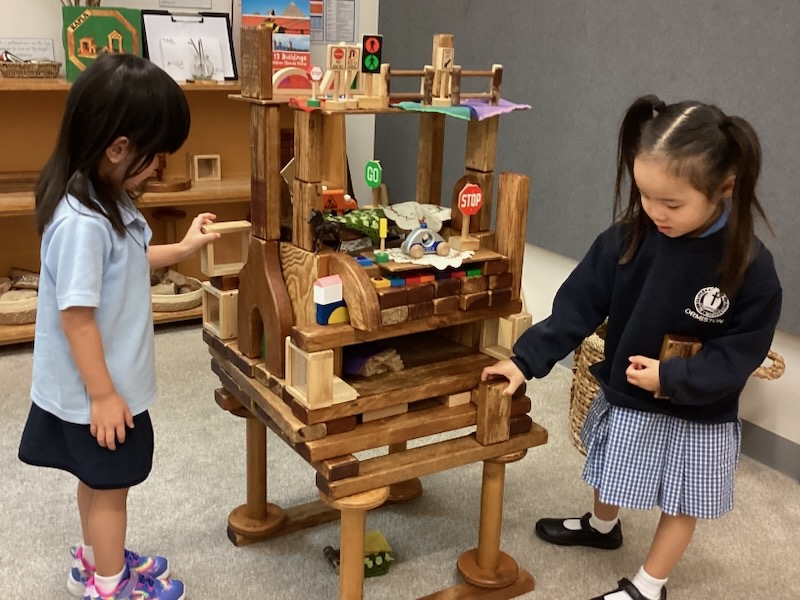
I share the Lego with Hazel when we build. I give Hazel some and she can build too. We build together. Ella

I play with my friends outside in the sandpit. I do kind things. I share gumnuts with Kaeylie and I don’t snatch them. Audrey

By weaving Dreamtime stories into our inquiry, we honour First Nations perspectives while nurturing the children’s developing understandings of how we care for ourselves, for one another and for our shared environment.

Angela Follacchio
Early Learning 4 Full Time Teacher
WURUNDJERI LANGUAGE PROGRAM

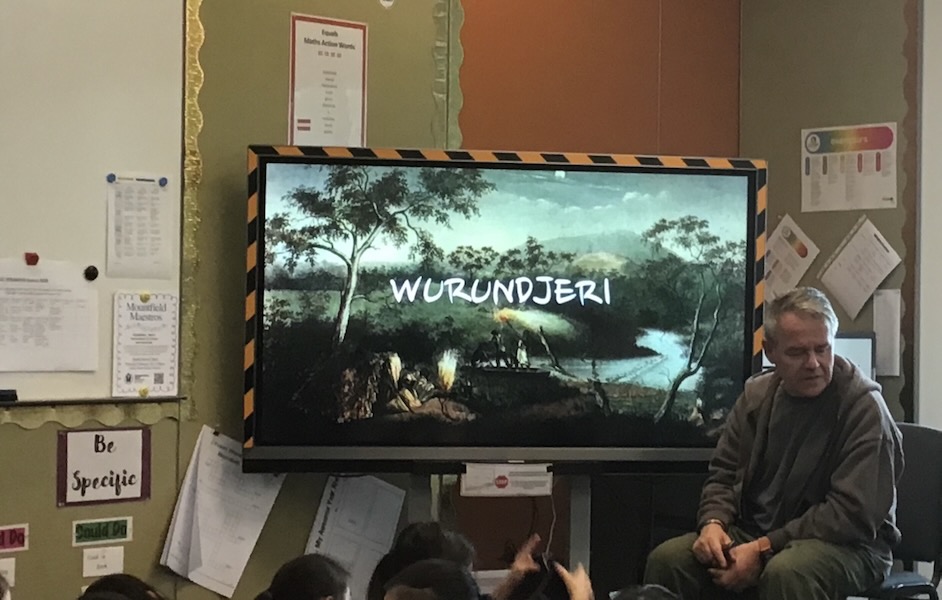
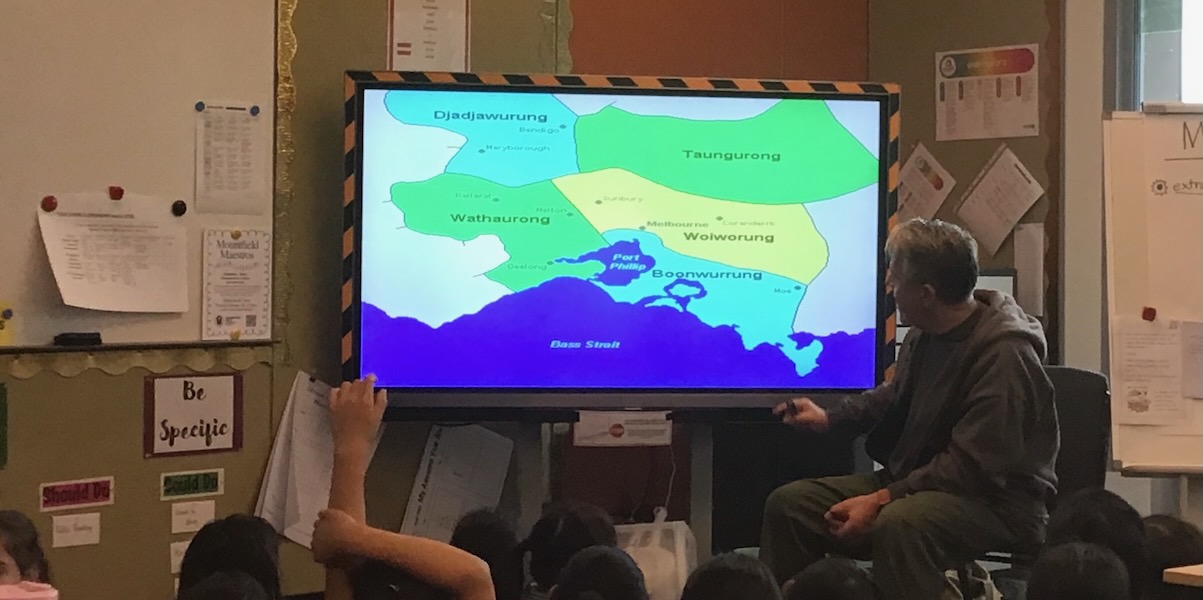
This week we have had the privilege of being joined by Pallyan, who is continuing his Wurunjderi language and culture sessions with our ELC-Year 6 students as part of our interdisciplinary learning.

On Monday and Tuesday the students have learned about the Wurunjderi people’s strong connection to country, the seven seasons of the seasonal calendar and the different layers of country. This season in March is called ‘luk’ (eel season) and the students learned about eels and how to protect our country and the waterways. The students had lots of questions and have enjoyed the sessions immensely, we are sure they would love to share their learnings with you!

Some comments from our Year 3 students:

I really liked the eel video – Clare

I liked learning about the eels – Chloe

I enjoyed learning about pollution and what we can do to help – Agnes

Lisa White
Acting Deputy Head of Junior School

YEAR 5 AND YEAR 6 BAND PROGRAM

Learning a musical instrument plays a significant role in supporting brain development, academic success, and student wellbeing. Instrumental music strengthens literacy and numeracy skills through pattern recognition, sequencing, and focused listening, while also building confidence, teamwork, and resilience. These skills extend well beyond the music classroom, supporting learning and personal growth across all areas of school life.

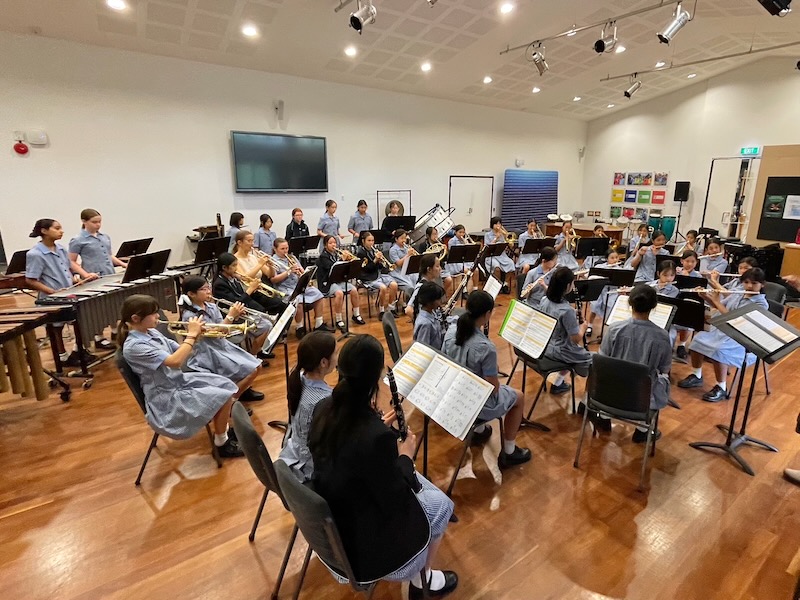
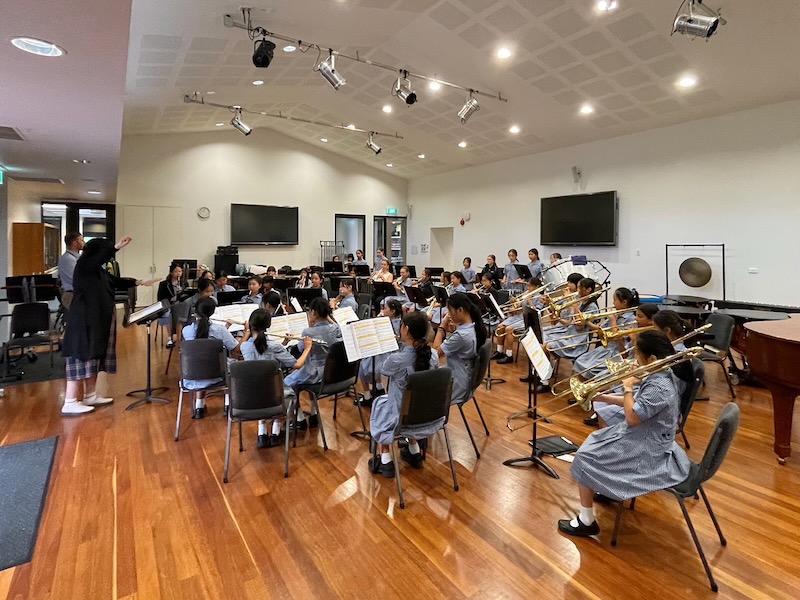
Throughout Term 1, students in the Year 5 and Year 6 Band Program have made strong progress as developing musicians. Through regular rehearsals and focused instruction with specialist Music staff, students have built technical proficiency, musicianship, and confidence. The band program provides a rich, collaborative ensemble environment where students actively apply their classroom Music learning through the practical study of woodwind, brass, and percussion instruments.

Year 5 students have enthusiastically commenced learning a new instrument, developing essential foundational skills such as posture, tone production, rhythmic accuracy, and basic note reading. Year 6 students have continued their instrumental learning journey, with increased emphasis on shaping individual sound quality and musical independence, whilst following a conductor, maintaining steady pulse, balancing sound, and listening attentively across sections.

In both year levels, structured rehearsals consisted of warm-ups, scale work, student and teacher led call-and-response activities, as well as repertoire study. Weekly routines continue to reinforce good posture, instrument control, rehearsal discipline, and responsibility for individual preparation.

The Year 5 and 6 Band students look forward to sharing their musical learning and achievements with the school community and families through performance opportunities later in the year.

Kate Savige
Director of Music – Curriculum

Mathew Duniam
Year 5 & Year 6 Band Coordinator

YEAR 3 & 4 ARTIST WORKSHOP

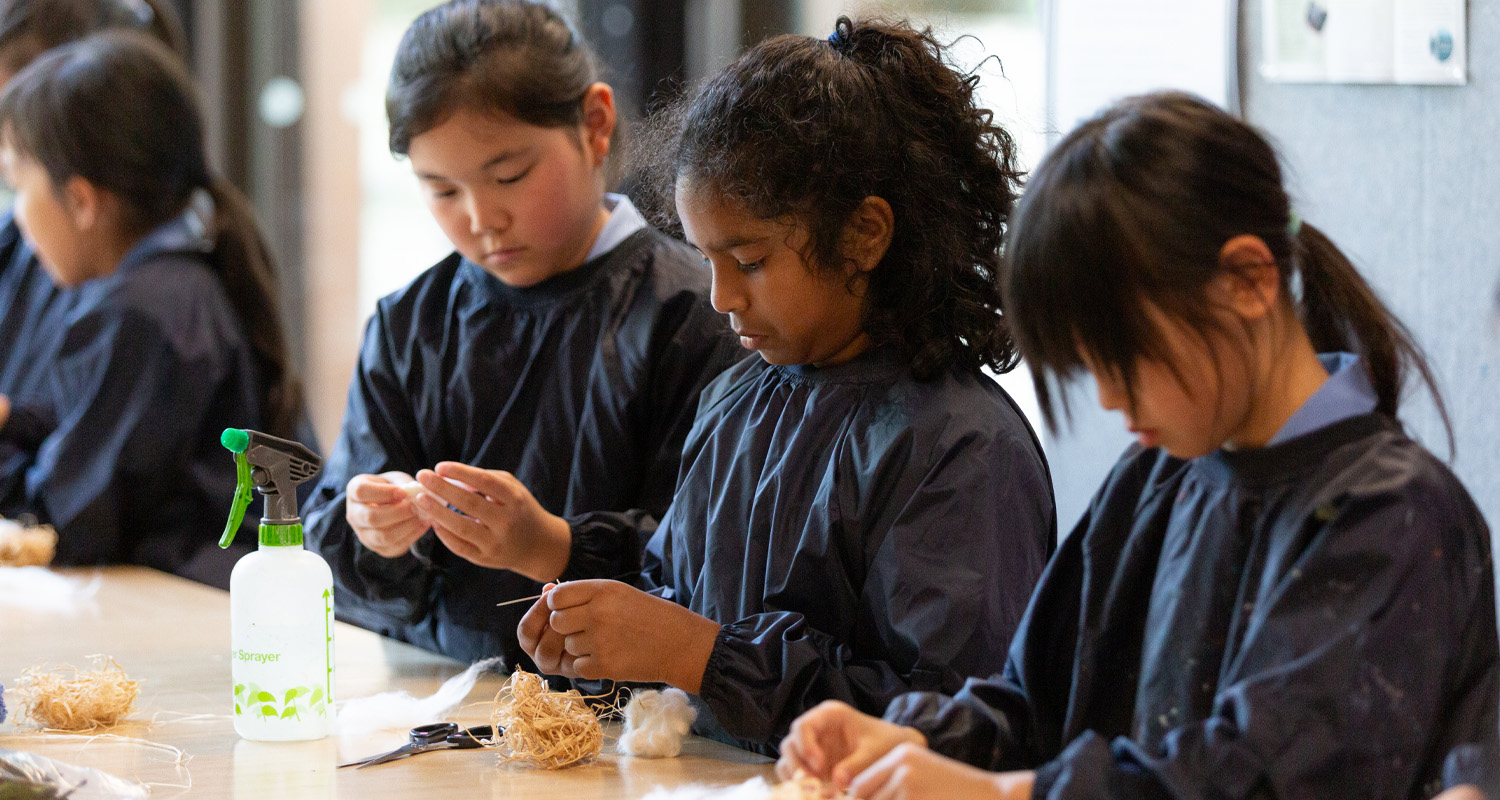
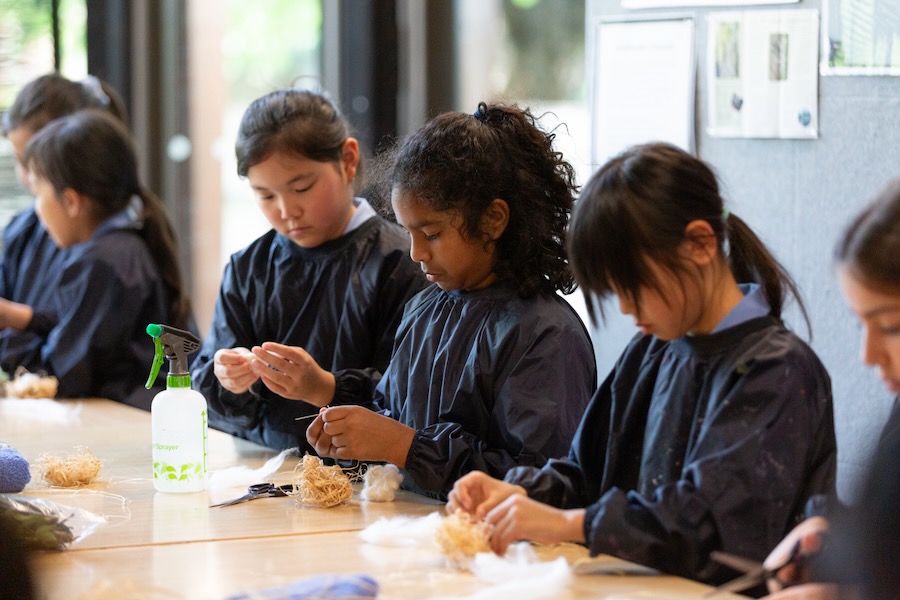
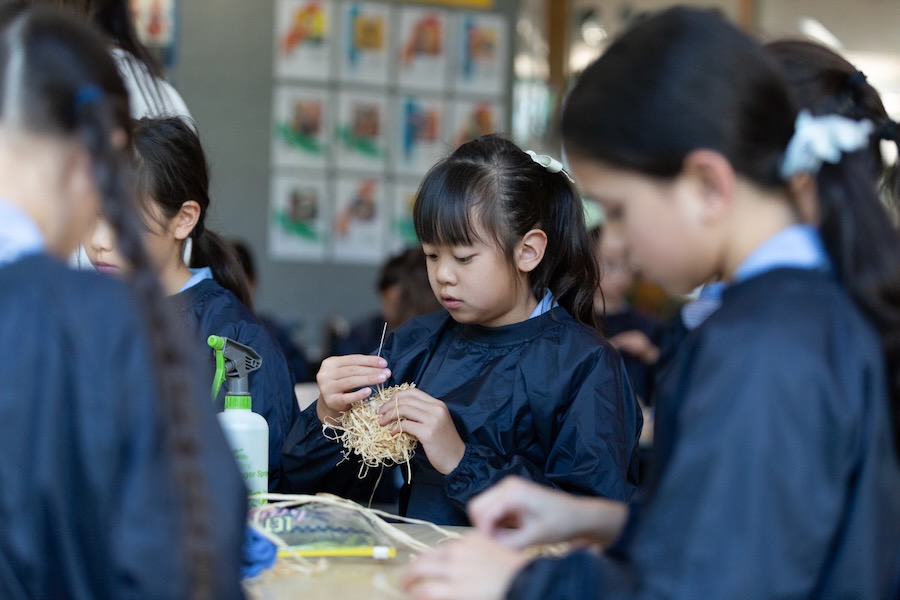
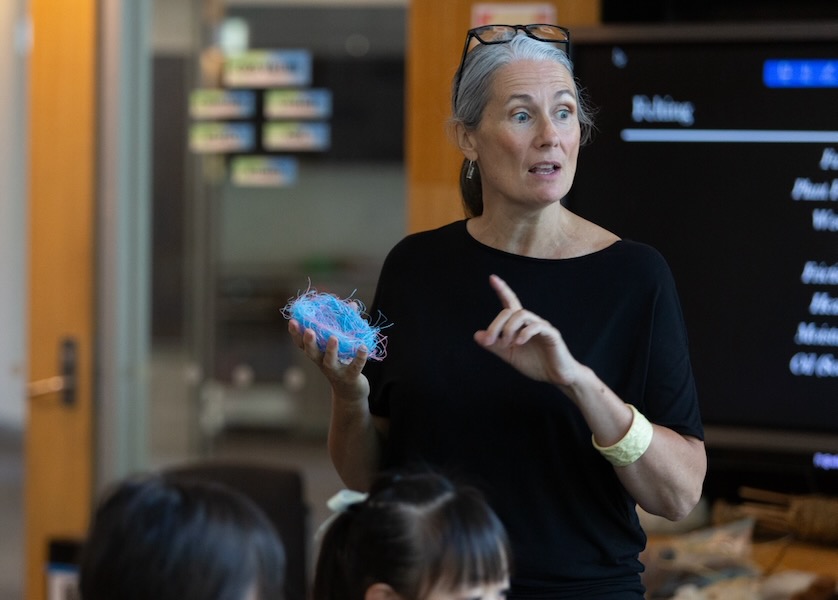
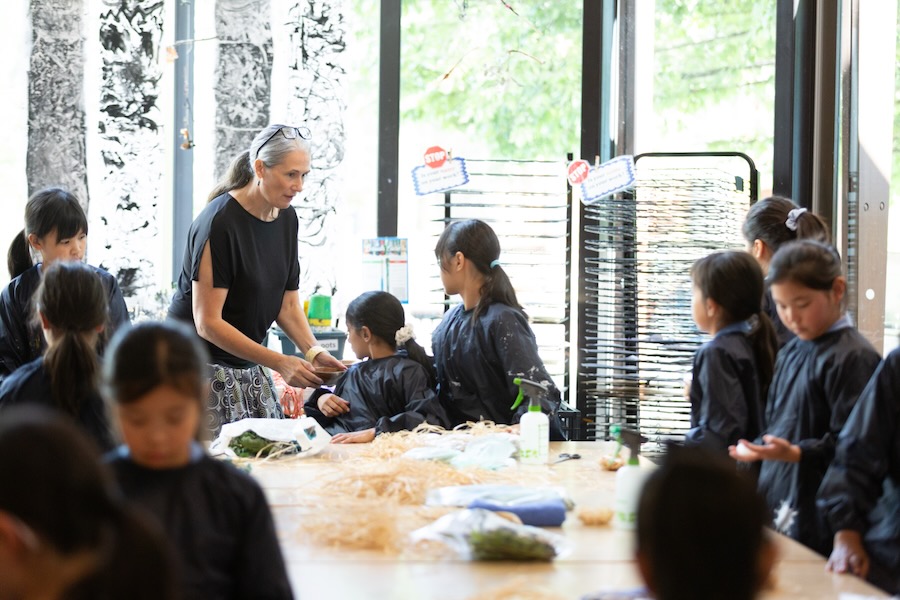
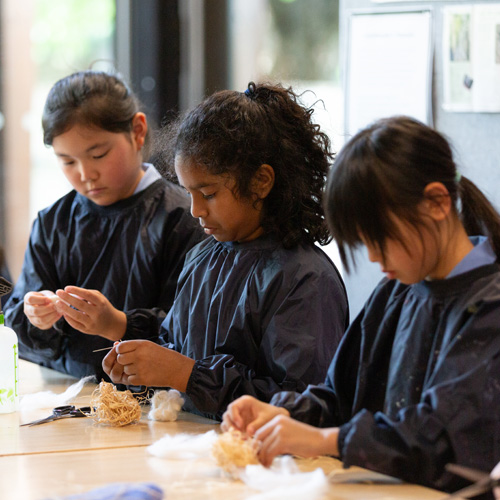
On Tuesday, the Year Three and Year Four students participated in an artist workshop with Zora Verona. Zora is an interdisciplinary artist who explores the complexity of nest forms through sculpture. Her work connects visual art with environmental philosophy, avian science and natural history.

Through her artwork, Zora shares the wonder and beauty of different bird species while also highlighting the environmental impact of habitat loss and human activity.

Prior to the workshop, students had the opportunity to ask questions about Zora’s practice and inspiration. Their questions were emailed to her, and she kindly responded in detail to each student.

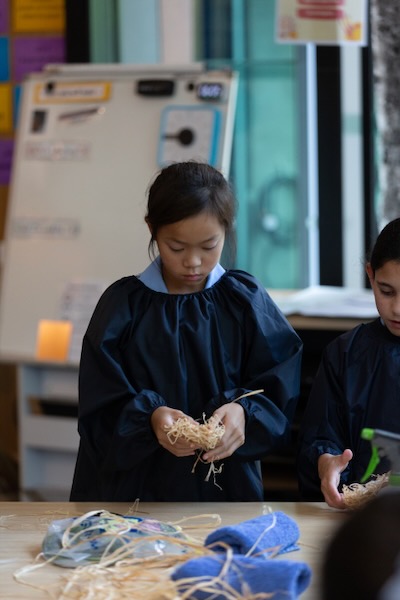
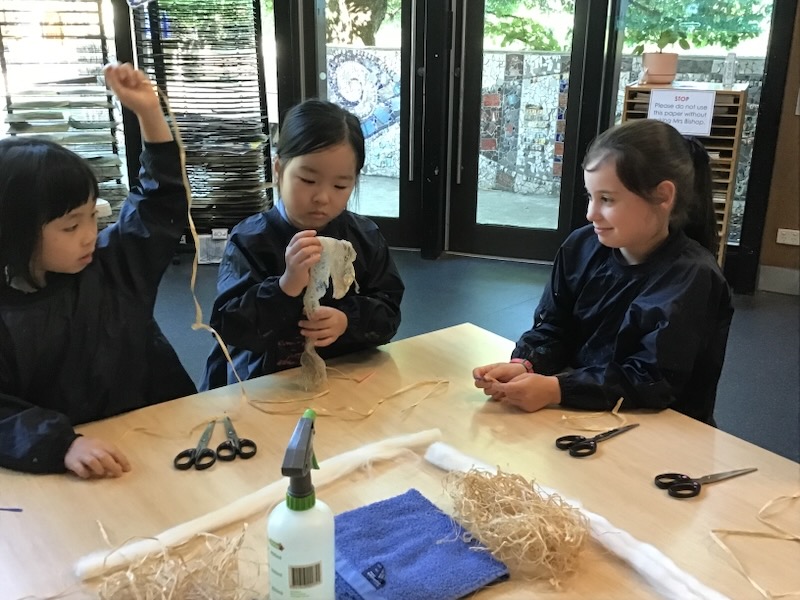
During the workshop, students learnt about the different techniques birds use to construct their nests, including stripping, weaving and felting. Students then began creating their own nests using these techniques. They will continue developing their nests in the coming weeks.

Lilian Bishop
Junior School Art Teacher

Principal

Mrs Dunwoody reflects on the importance of Language and Culture week at Camberwell Girls.

Secondary School

It's been a busy fortnight at Secondary School with an Upskill day, excursions, breakfasts, and competitions.

Junior School

The Year 3 and 4 students had a very special visitor in their Art class this week, whilst the ELC children are learning about community.

Connected Community

The community came together in a powerful show of unity to celebrate International Women’s Day.

Create Your Tomorrow