Today, Mrs Dunwoody farewells the Class of 2026.

A key part of the URSTRONG program is the Four Friendship Facts, which give children a simple and memorable framework for understanding how healthy friendships grow and change over time. These facts help students recognise that friendships are dynamic, that challenges are a normal part of relationships, and that strong friendships are built on important shared values.
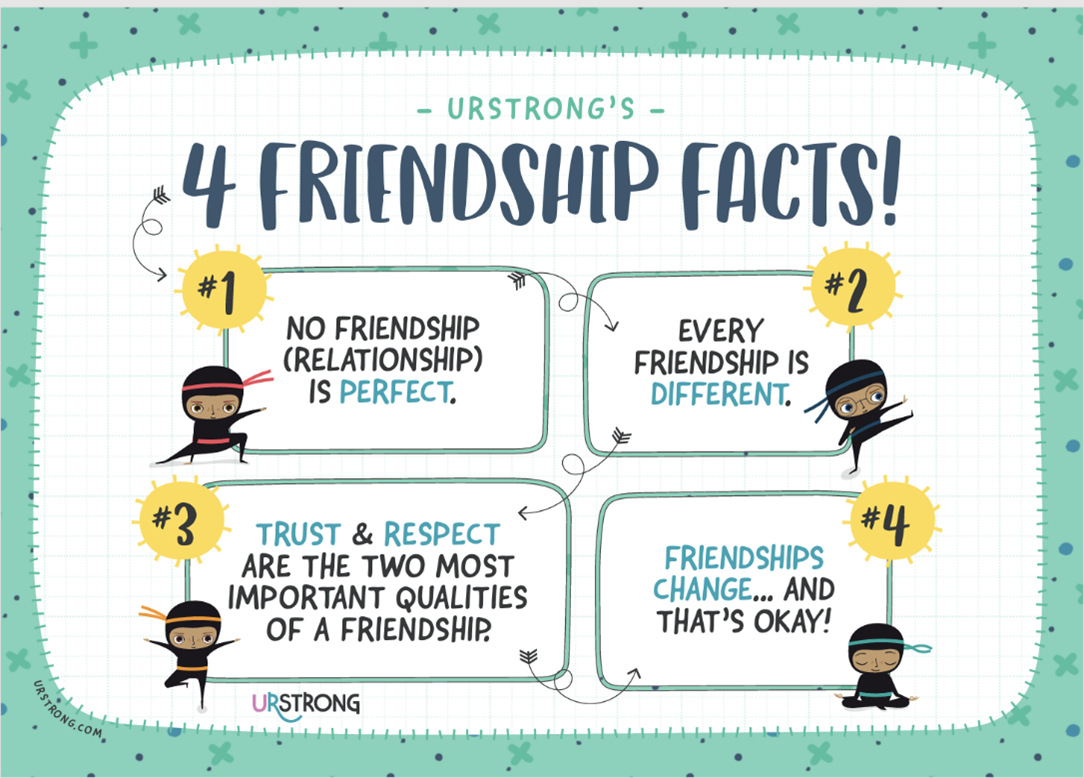
Friendship Fact #3 highlights the importance of trust and respect as the foundation of strong and healthy friendships. As children navigate their friendships, developing trust and respect helps them to feel safe, connected, and valued. These positive experiences strengthen relationships and build resilience. When trust is strong, friendships tend to feel secure and supportive. When it feels less certain, children may feel worried, unsure, or unsettled, giving signals that the relationship may need some care and attention.
Just like we teach the skills of reading and maths, we explicitly teach students how to build and maintain strong friendships. At home, families play such a significant role in developing these important skills. One helpful way to support your child is to focus on making regular “deposits” into what URSTRONG describes as an emotional piggy bank (https://urstrong.com). Every interaction in a relationship can be seen as a deposit or withdrawal. Research by Dr John Gottman suggests that healthy relationships maintain a ratio of five positive interactions to every one negative interaction. For children, this means that when they experience a strong bank of positive moments, such as encouragement, connection, and care, they are better equipped to navigate conflict and repair friendships when challenges arise. You can support your child to build this positive foundation through small, intentional moments each day:
When children experience these positive interactions at home, they learn how to mirror them in their friendships at school. They begin to understand how to “fill” their friends’ emotional piggy banks by building trust, showing respect, and contributing to inclusive, supportive relationships. We are committed to helping every child develop the skills they need to create and sustain healthy friendships, which is an essential foundation for wellbeing, belonging, and learning.
Families are warmly reminded to explore your free URSTRONG Parent Membership https://urstrong.com/parents/ as a way of continuing these important conversations at home. It offers a range of supportive resources, including short videos, practical articles, conversation starters, and family tools to help children build healthy friendships, work through friendship challenges, and strengthen the shared language they are learning here at school.
Kellie Morgan
Head of Junior School
Hands All in for Reconciliation Week
Over the past two weeks, the Early Learning 4 Part Time children have engaged in meaningful discussions and experiences centred on National Reconciliation Week and its theme, ‘All in for Reconciliation’. Together, we explored the question, “What does it mean to say ‘sorry?’”
Engaging in texts such as Walking Together by Coral Vass and Dub Leffler, and Finding Our Heart by Thomas Mayo and Blak Douglas, the children began to understand that for First Nations peoples, saying sorry is connected to care: care for people, care for Country, care for culture and fairness. These stories provided a foundation for thoughtful conversations about respect, kindness and working together to make things right.
A highlight of our learning was reflecting on a recent visit from Murrundindi, Ngurungaeta, Head Man and Elder of the Wurundjeri people and friend of Camberwell Girls. His insights helped the children recognise that Wurundjeri culture is not only deeply rooted in Australia’s history but continues to be an important and living part of our community today. Within our classroom, the children shared their own interpretations of what it means to say sorry. Their responses showed a growing awareness of empathy and relationships, with reflections including:
“When you accidently hurt someone, you need to say sorry.” (Ella)
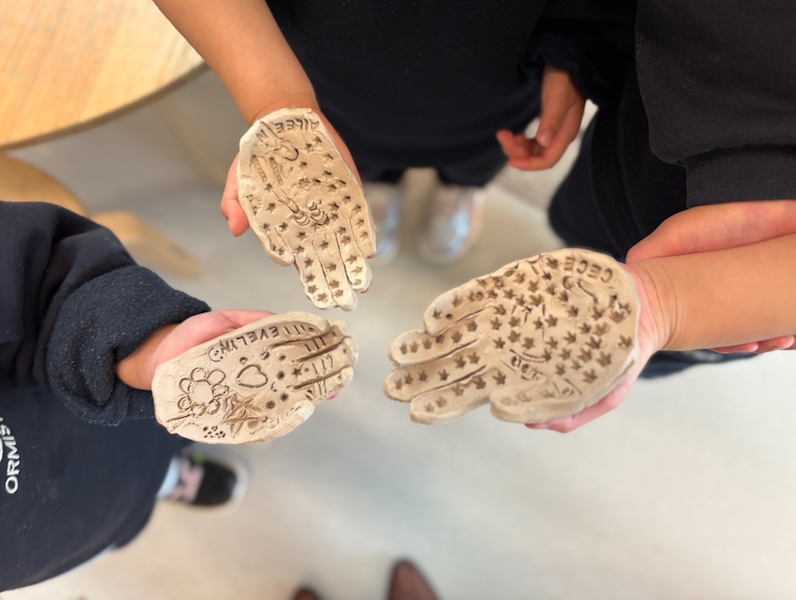
“When you hurt someone’s feeling.” (Aileen) “or when you bump into someone, say sorry.” (Evelyn)
“Sorry feels… sad, quiet, a little bit shy.” (Cecilia)
“Saying sorry comes from inside, in your heart.” (Aria)
“You have to mean it when you say sorry, it has to sound kind.” (Ella)
“You say sorry to be kind.” (Reia)
“If you don’t say sorry, then they don’t know that it was an accident.” (Katelyn)
“Like when you are learning and you make a mistake…saying sorry is like making the mistake better, like when you hurt someone you say sorry to make it better.” (Monty)
As we explored these ideas further, the children began to recognise that saying sorry extends beyond words alone. They came to understand that tone, actions, and intentions all play an important role, and that kindness, listening, and helping others are meaningful ways to repair relationships. Through this learning, they are beginning to understand that mistakes are a natural part of growth, and that taking responsibility and showing care for others helps to strengthen relationships within our community.
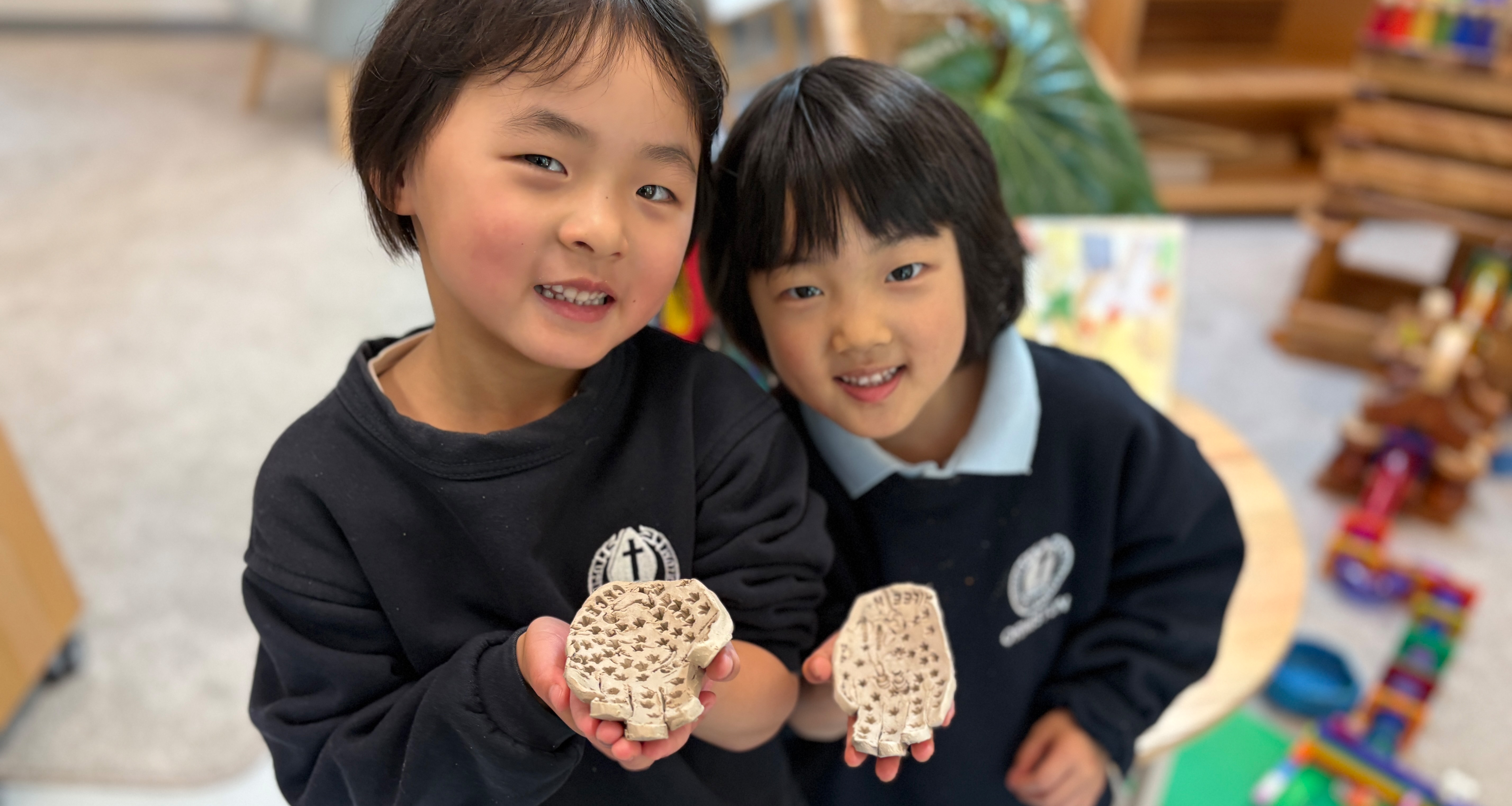
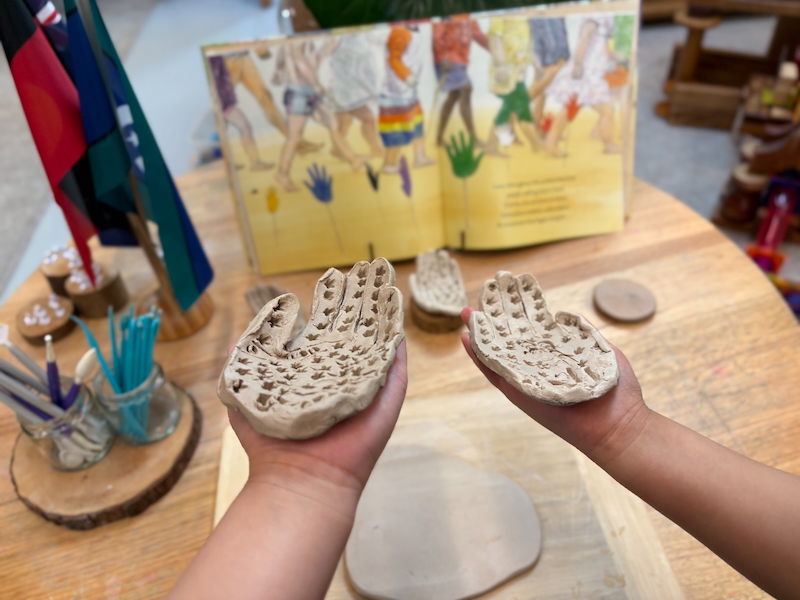
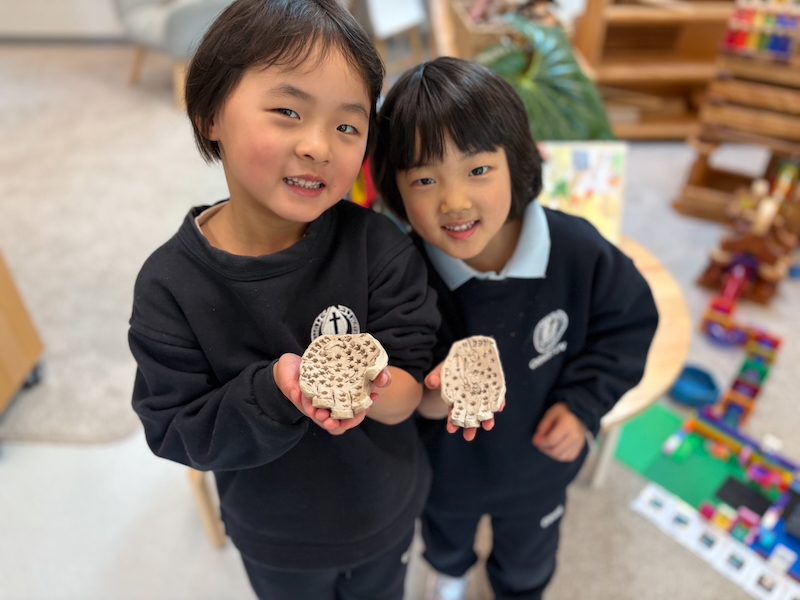
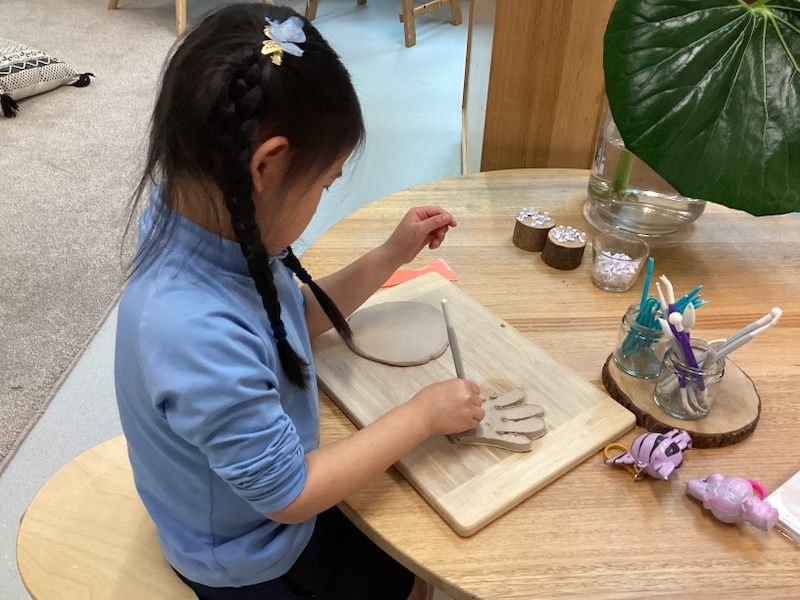
When invited to symbolise and share how we say sorry, the children agreed that “hands” and “using gentle hands” were meaningful ways to help others, care for others, and express emotions. Using the medium of clay, the children sculpted ‘kind caring hands. We are proud of the thoughtful and compassionate ways our children are engaging with these important ideas and beginning to carry them into their everyday interactions.
Esther Wong
Early Learning 4 Teacher
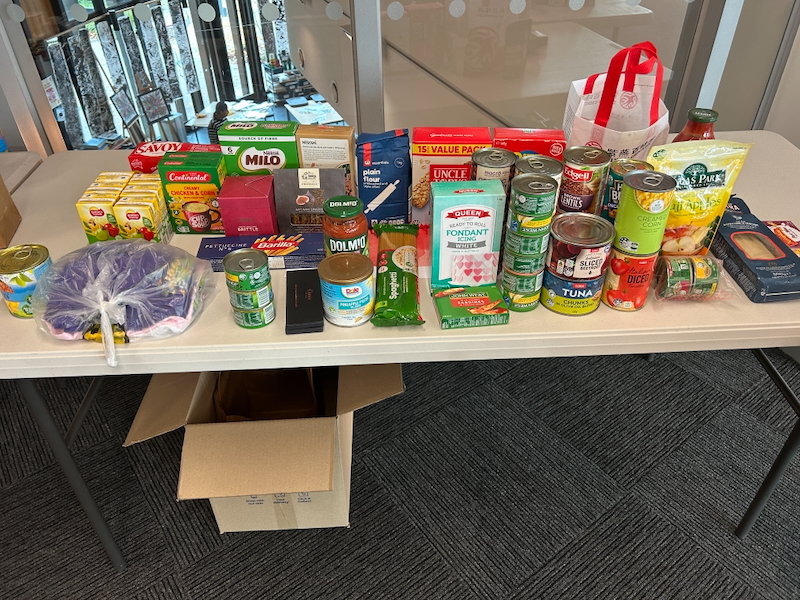
As the colder months settle in, we are proud to support Anglicare’s Winter Warmth Appeal—an initiative that strongly reflects our school motto, Utilis in Ministerium; “Useful for Service.” At Junior School we encourage students to uphold our school motto by using their values, knowledge, skills, and voice in the service of others. This appeal offers a meaningful opportunity for our community to live out this value by supporting individuals and families who experience hardship during the winter months.
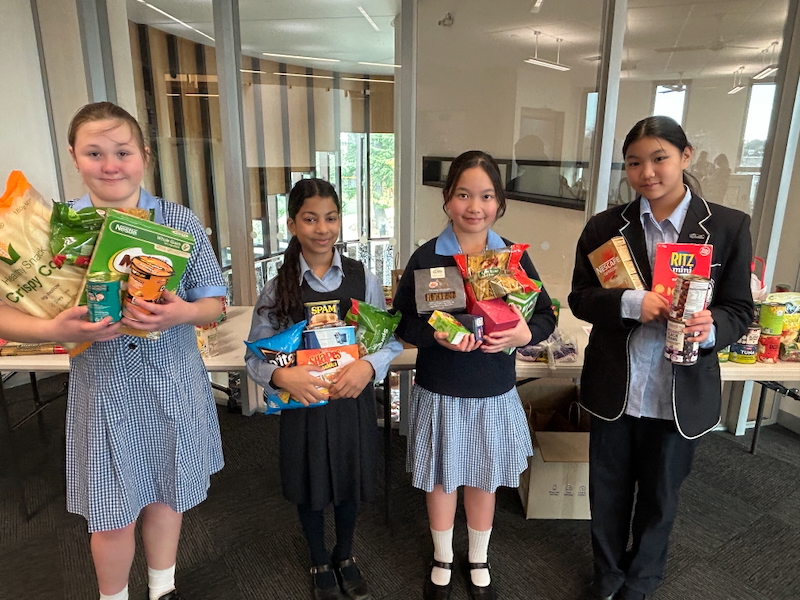
As part of this initiative, our Service-Learning Leaders are helping to guide and promote the appeal, encouraging our community to consider the needs of others during what can be a particularly challenging season. Through their leadership, our students are demonstrating empathy, compassion and a genuine commitment to service.
It is our goal that such initiatives will inspire our students to view service Learning with purpose as preparation to contribute meaningfully to the world and encourage students to be active citizens who engage thoughtfully with their communities, locally and globally. Being “useful in service” is not transactional, but ethical: acting with integrity, care, courage, and commitment.
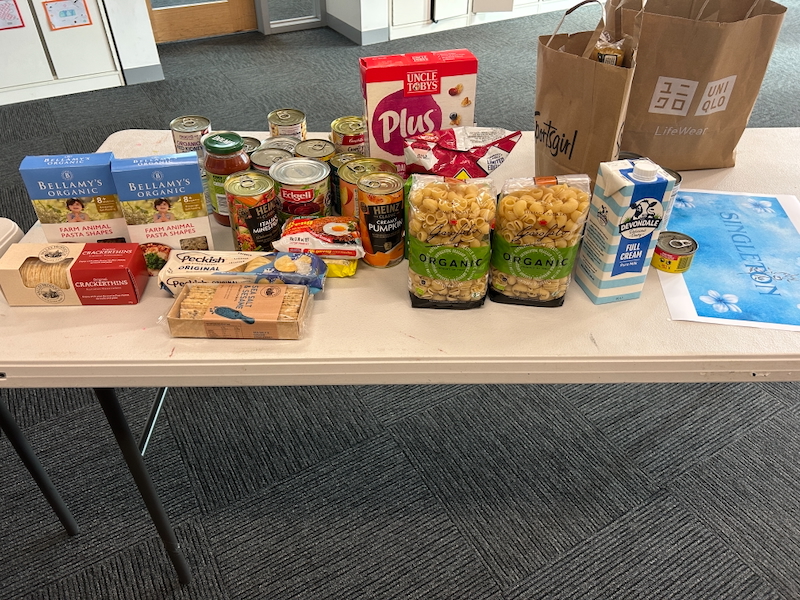
We warmly invite families to contribute by donating non-perishable food items (examples are listed below). Donations may be delivered to the Junior School Office before the end of Term 2 and will be gratefully received. Thank you for your generosity and for supporting our students and wider community in making a positive difference in the lives of others.
This appeal also provides a valuable opportunity for our students to reflect on the importance of service to others. Through small but meaningful acts of kindness, we can work together to care for those around us and strengthen the sense of community that is so important at this time of year.
Suggested donation items include:
Rice; instant coffee; spreads (peanut butter, jam, Vegemite); canned fish (tuna or salmon); crackers or dry biscuits; 2‑minute noodles; pasta sauce; canned soup; UHT long‑life milk or non‑dairy milk; pasta; breakfast cereal; tinned fruit or fruit cups; condiments (tomato sauce, soy sauce, mustard); canned vegetables (tinned tomatoes, potatoes, corn, mixed vegetables); and snacks for adults and/or children (muesli bars, nuts, chips).
Nancy Robottom
Deputy Head of Junior School
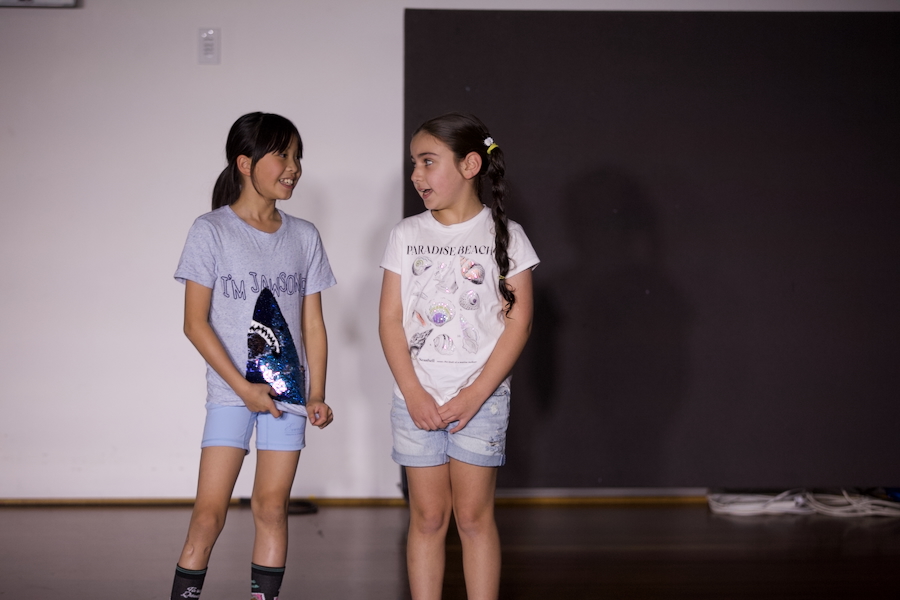
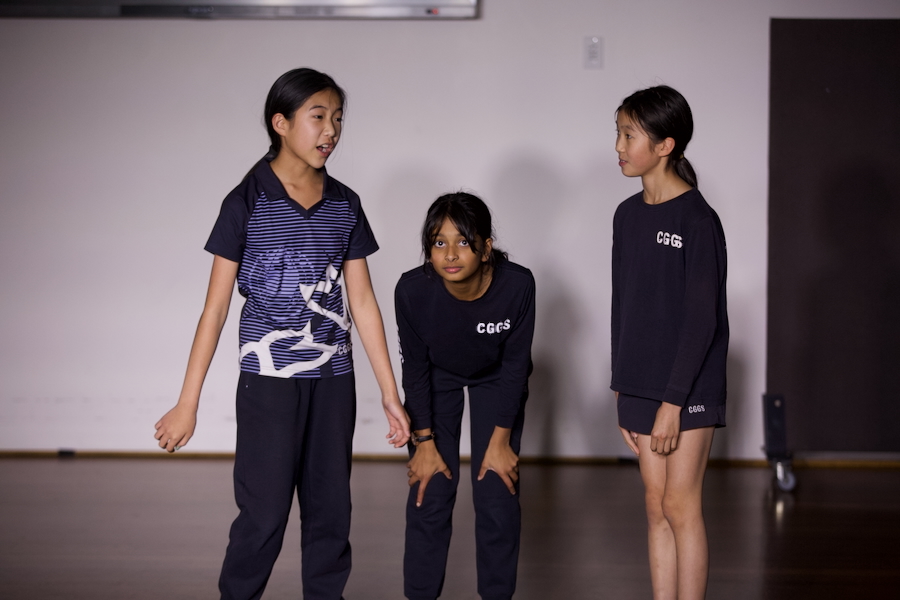
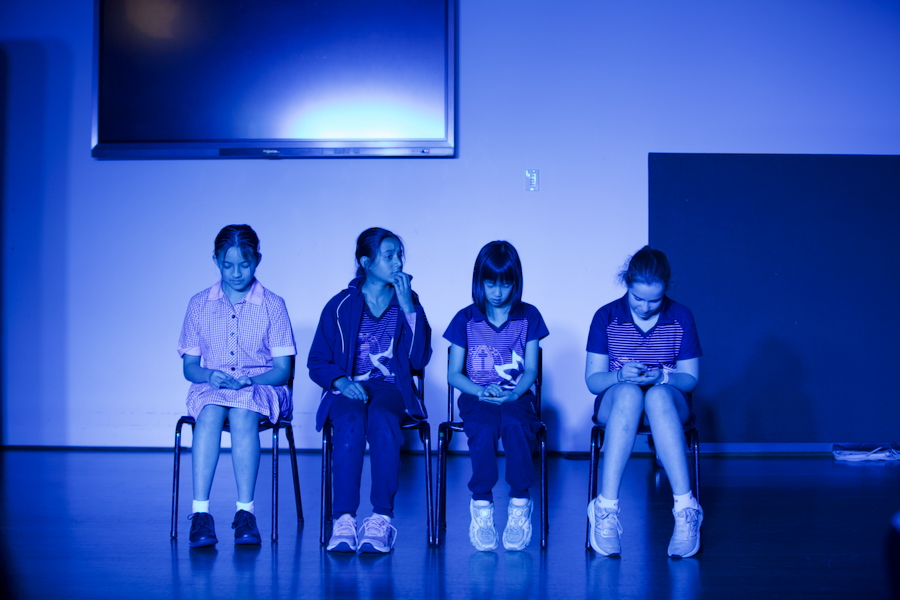
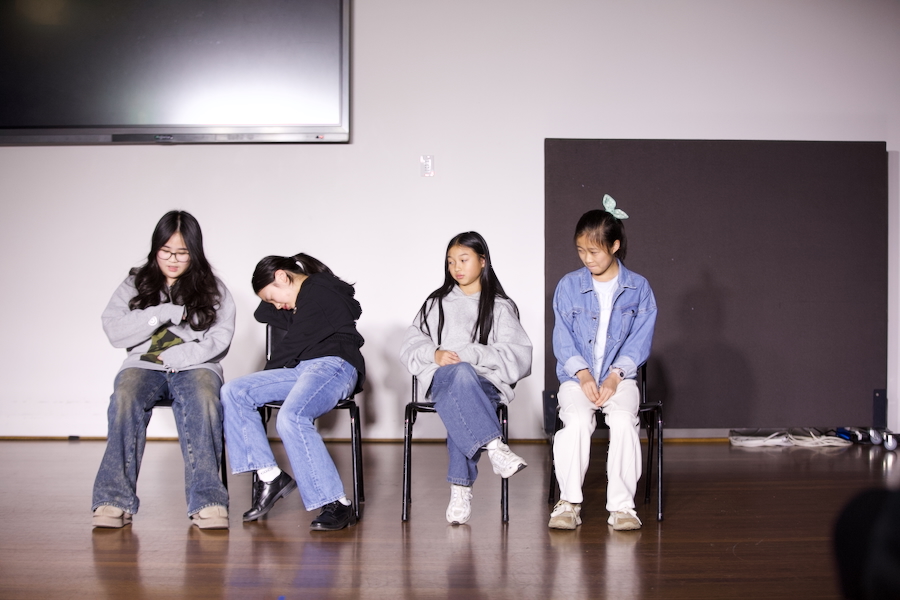
The first Speech and Drama showcase for 2026 took place on Wednesday 3 June. Thirty-three students ranging from Year 3 – 6, shared scripts, stories and poems to a supportive and appreciative audience of teachers, family and friends.
In Speech and Drama lessons, students engage in a range of drama activities and vocal exercises, including games, improvisation and script work. Growing an understanding of improvisation skills, and learning and performing a script provides students with the opportunity to engage in the process of storytelling, whilst learning the most effective way to do this for an audience. These valuable skills, and sense of achievement offered through performance opportunities, aim to support and develop self-confidence.
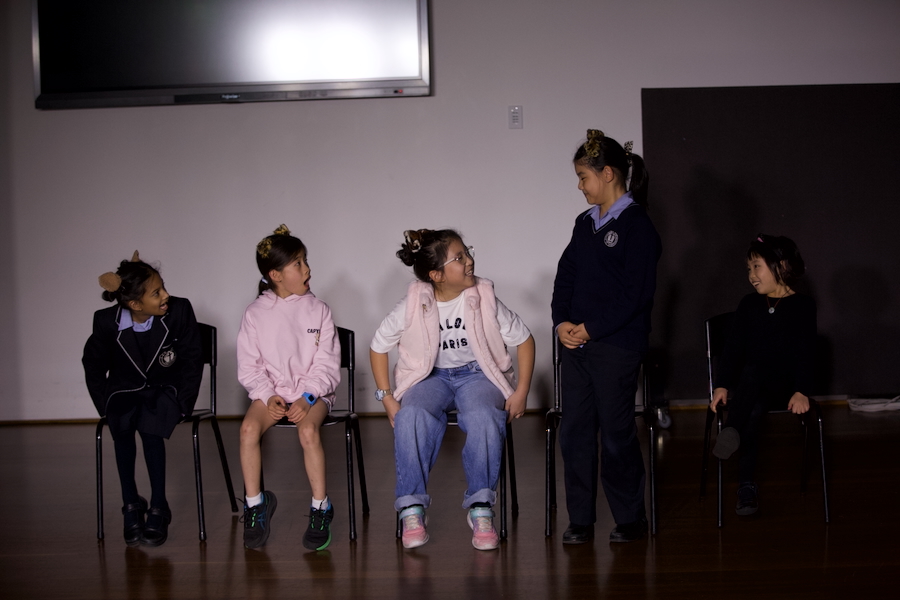
Year 5 – 6 students finished off the evening by giving the audience an example of a spontaneous improvisation game. The students are to be commended on their courage and bravery for taking part in this exercise. It requires quick thinking, and collaboration to be able to adapt to whatever is thrown at you in this type of exercise, and to do it in front of an audience is doubly impressive!
Congratulations to everyone involved. It was an engaging and entertaining afternoon.
Claire Colthup
Drama Teacher
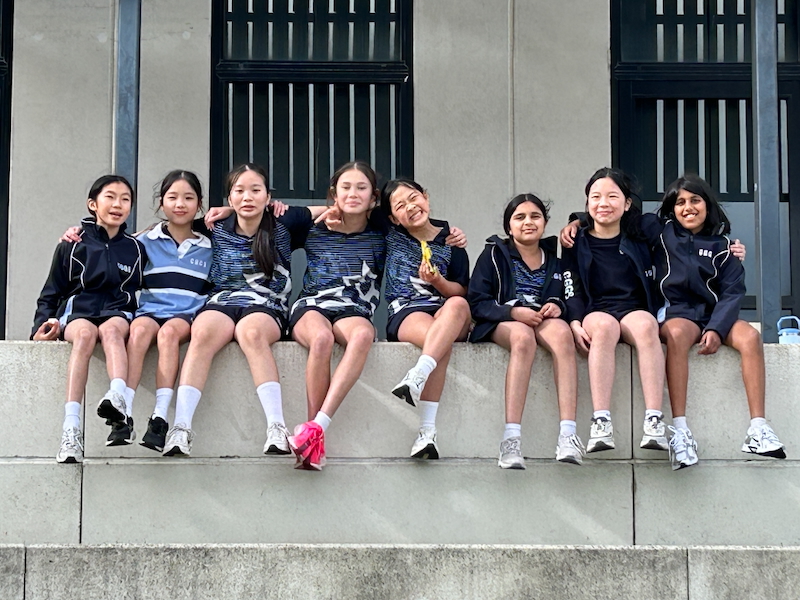
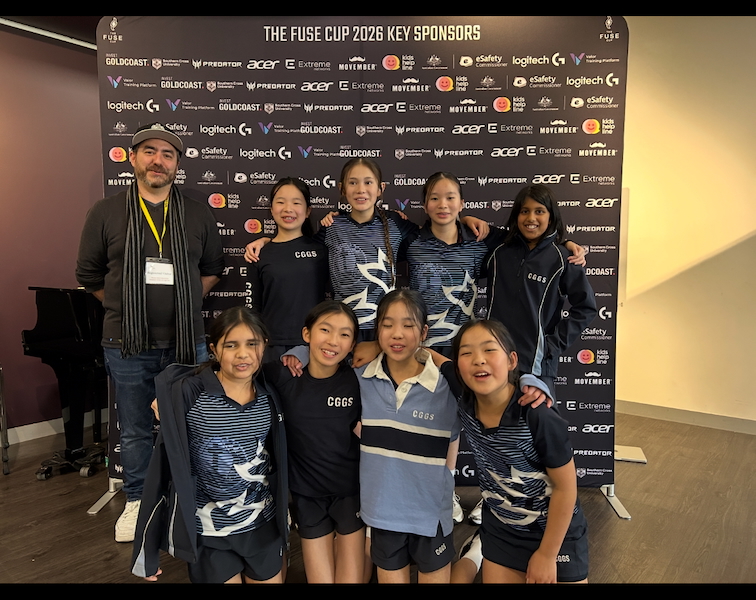
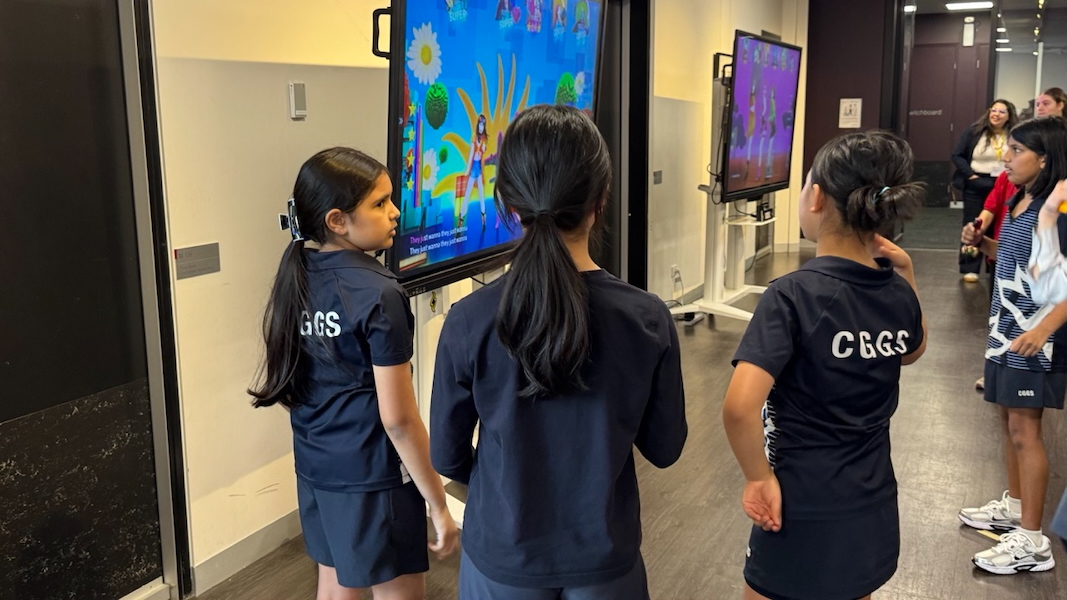
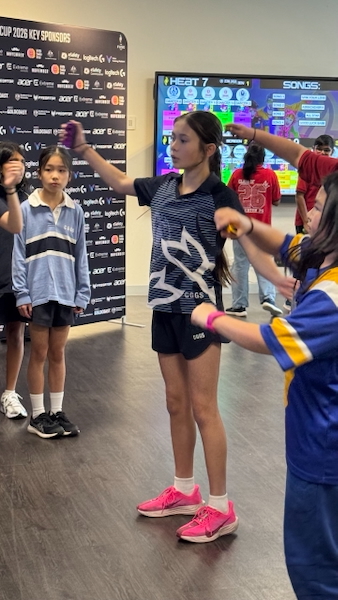
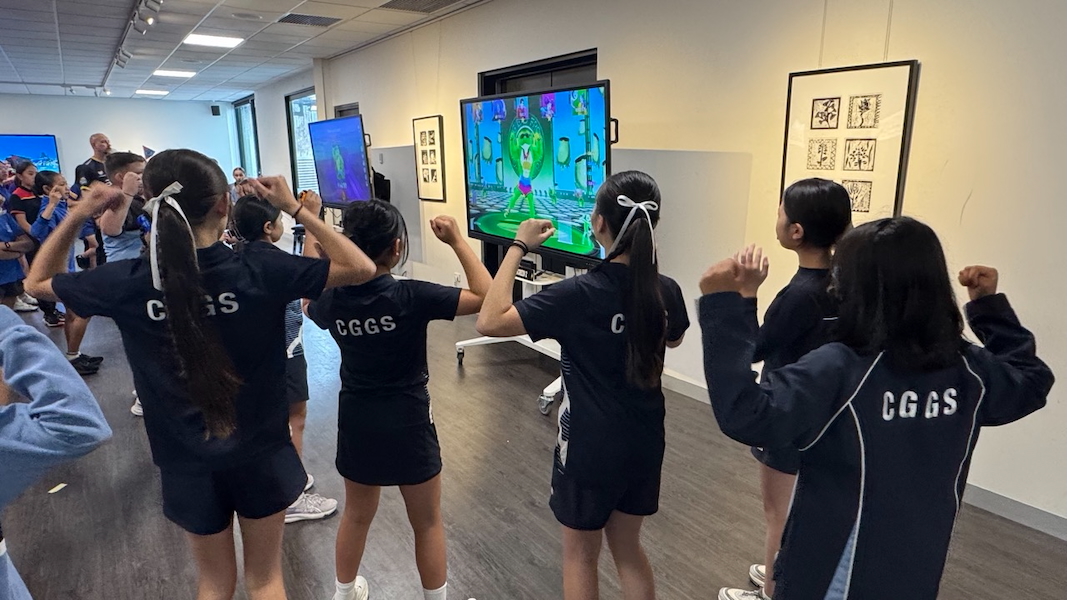
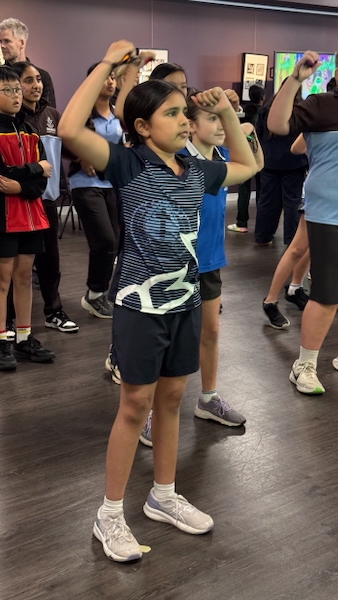
On Wednesday 3 June, eight students represented Camberwell Girls at this year’s annual eSports competition, The Fuse Cup, competing as two teams against schools across Melbourne in the popular video game, ‘Just Dance’.
Angela Z (5G), Eshaal (5C), Sage E (5C), Taleana D (6G), Cathy Z (6G), Mia G (6G), Lily K (6G) and Lauren D (6H) performed across a variety of songs, earning points for precision, timing and pose over the course of the day in an attempt to reach the highest scores and the awarded ’Superstar’ and ‘Megastar’ titles in-game.
With a huge turnout of nearly twenty teams, both Camberwell Girls teams managed to secure a top 10 finish, securing a tenth and eighth (semi-final) place. This is an incredible achievement, as scores across the board were incredibly close!
Mark Major
Systems Engineer
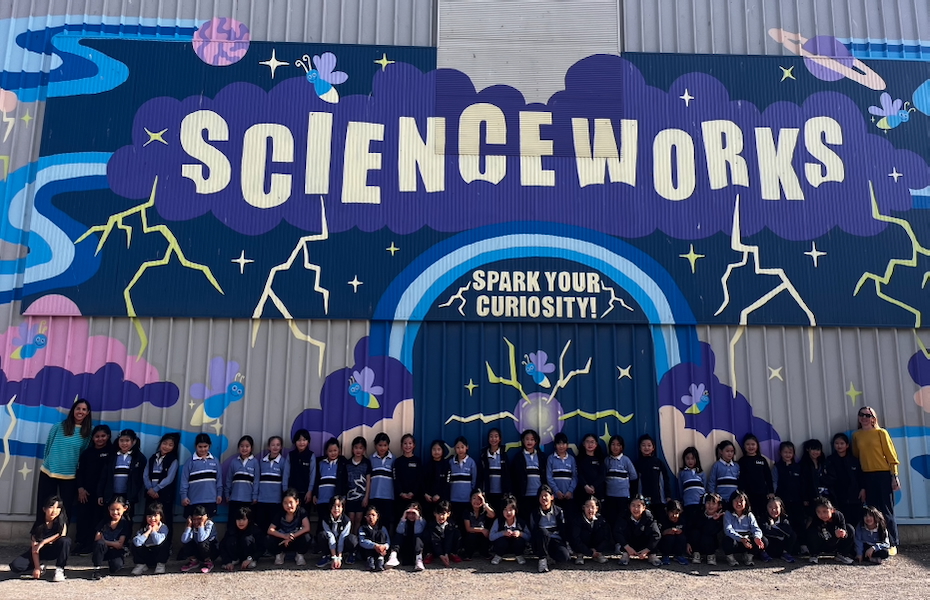
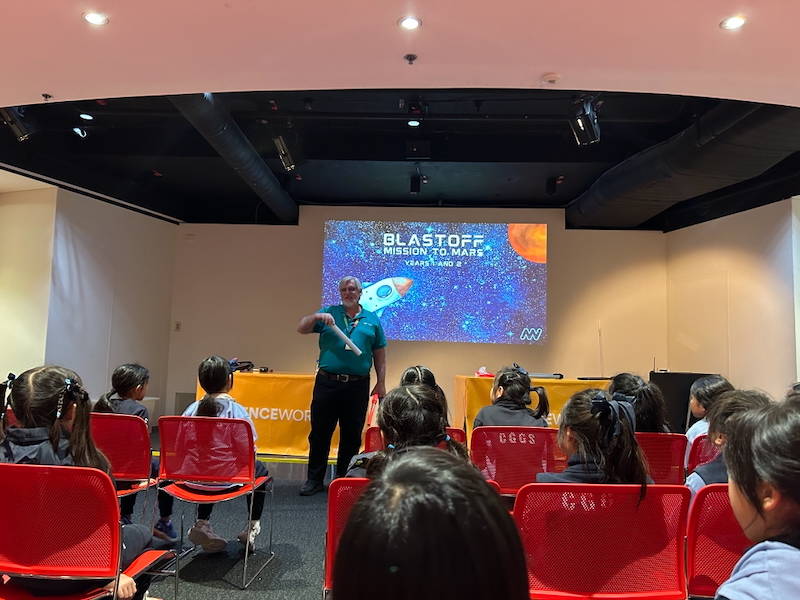
On Friday 29 May, Year 2 went to Scienceworks. We went on a bus. During Inquiry, we are learning all about space, that is why we went.
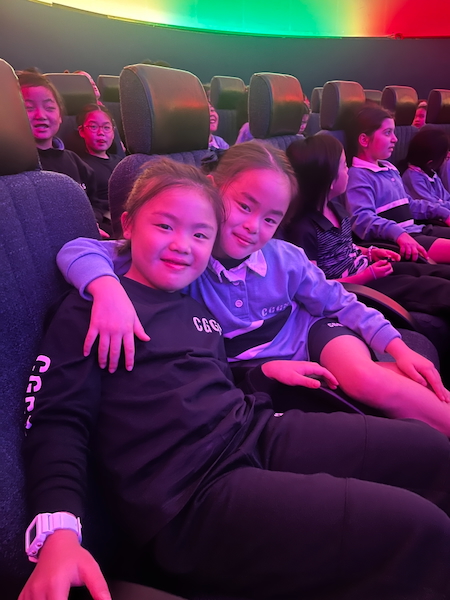
First, we went to the Planetarium. We learnt about the seasons and the Earth’s tilt. We also learnt about the equator that splits the Earth into two hemispheres. We found out that if you look in the sky around 6pm you might be able to see Jupiter and Venus. There are stars everywhere! You can’t count the stars because there are billions and trillions!
Next, we went to the Sports Exhibition. We went in little groups to explore. We saw lots of things, like a wheelchair race and an activity where you try and stop the ball going in the soccer goal.
Last, we went to the Energy lab to learn about how to blast a rocket up into space. We learnt that when the gas pushes down it makes the rocket go up. There is not much gravity in space. The man who helped us showed us that astronauts need to exercise because they lose muscle in space when there is no gravity.
It was a really great excursion! ~ By Annabel Y (2R)
On Friday 29 May 2D, my class went on an excursion to Scienceworks. The first place we went was the Planetarium. At the Planetarium, we watched a movie called Tilt. It was about the seasons. Secondly, we learnt that we can see Venus and Jupiter at night if we look closely.
At Scienceworks we also went to a place called Mission to Mars. At Mission to Mars, there was a funny man who explained how rockets get to Mars and other planets. Some of the things he showed us to explain how rockets work were balloons, water mixed with dissolving tablets and balloon on a string. It was so fun and I wish to go there again. ~ By Sehej Singh (2D)
Selena Reedman and Anjali de Quadros
Year 2 Classroom Teachers
It has been a busy start to Term 4 with Year 11 - 12 Presentation Evening and many musical achievements.
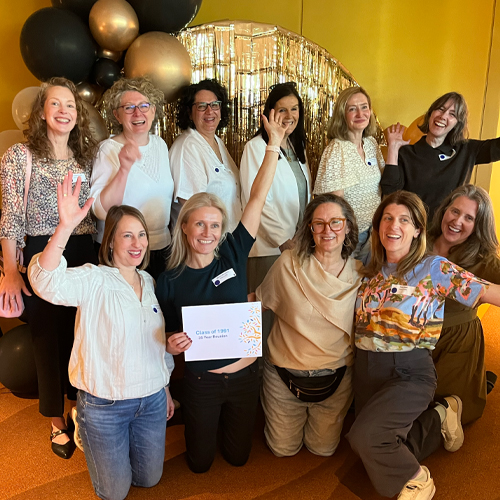
Over 100 Old Grammarians returned to Camberwell Girls last weekend for the annual Reunion Weekend.